
Frame: Using Light to Outline Architecture
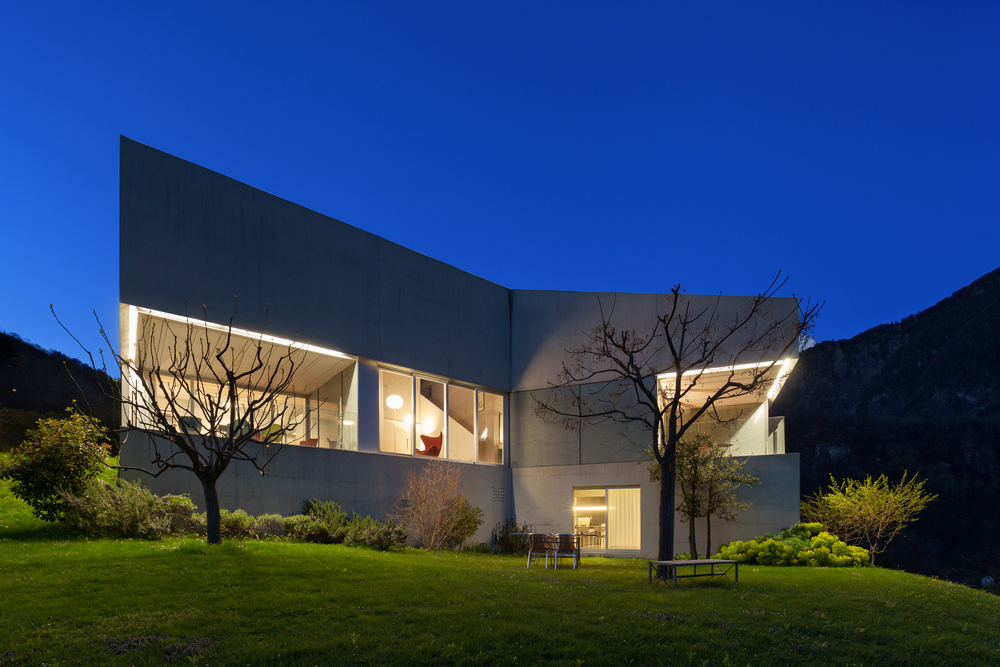
Some spaces speak for themselves, others whisper until the lighting steps in. When used with intention, light becomes an architectural tool, sculpting, guiding, and telling the story of the structure without saying a word.
This is especially true with modern outdoor lighting in Naples, where outlining elements like façades, overhangs, and pathways can elevate an exterior’s entire presence after dark. In the right hands, it reveals the architecture that was there all along. Let’s break down where, when, and how to let light do the outlining.
What does it mean to outline architecture with light?
Outlining architecture with light traces the form of a structure in a way that enhances its visual identity. It means emphasizing lines, contours, geometry, and giving shape to what might otherwise disappear in the shadows after sunset. Think of it as drawing attention to the architectural framework, but without overpowering it.
This technique can be as subtle as recessed LEDs tucked into soffits, or as bold as linear uplights running the length of a modern façade. It works especially well on buildings with strong silhouettes or clean lines, allowing light to become an extension of the structure’s design language.
And the result? A space that feels more dimensional, dramatic, and composed, especially at night. Done right, outlining brings architecture into focus, helping buildings tell their story long after the sun has set.
Where to Use It
Outlining architecture with light isn’t confined to sweeping exteriors or luxury showrooms. When executed correctly, it can elevate the everyday. Indoors, cove ceilings, staircases, and recessed trim become opportunities to emphasize geometry and guide movement. It’s a subtle way lighting design can add elegance, especially when working with modern or minimalist interior design.
Outside, outdoor lighting techniques can define the property’s structural edges, highlight cantilevers, or draw the eye to key design features. With careful intent, these choices help a space breathe, drawing attention to shape and form without overwhelming the senses.
What should you avoid when lighting architectural features?
Even the most striking architectural concept can fall flat under poor lighting choices. Whether you’re designing a modern home or a public space, keeping these common missteps in mind can mean the difference between visual clutter and clean, cohesive expression.
Planning Light Too Late
Waiting until construction or even late in the design process to consider lighting almost always leads to compromise. Missing early integration can result in awkward switch locations or fixtures that don’t align with architectural intention. The most successful projects bring lighting consultants in at the concept stage.
Choosing Fixtures for Looks Over Function
Beautiful fixtures can be seductive, but if they don’t deliver quality illumination or adaptability, the design suffers. When you choose fixtures purely for style, they often result in visual discomfort.
Failing to Layer Lighting
When outlining architecture with light, relying solely on one source can leave the space feeling lifeless. Without layering in ambient, task, or accent lighting, those outlines lose context and depth. Layered lighting lets the structure breathe, softly emphasizing its edges and contours.
Mixing Inconsistent Color Temperatures
Consistency in color temperature is key. If one section glows warm while another reads cool, the visual rhythm breaks, and what should feel cohesive starts to feel accidental. Matching Kelvin temperatures across all outlining elements preserves the architectural intent and creates a smoother, more intentional flow.
Ignoring Fixture Scale and Placement
When the intent is to outline architectural elements, precision is everything. A fixture installed too high or too low (or aimed without purpose) can flatten features or reveal the source in ways that ruin the illusion. Successful outlining relies on thoughtful alignment with architectural lines, considering both scale and the viewer’s perspective to maintain clarity and visual flow.
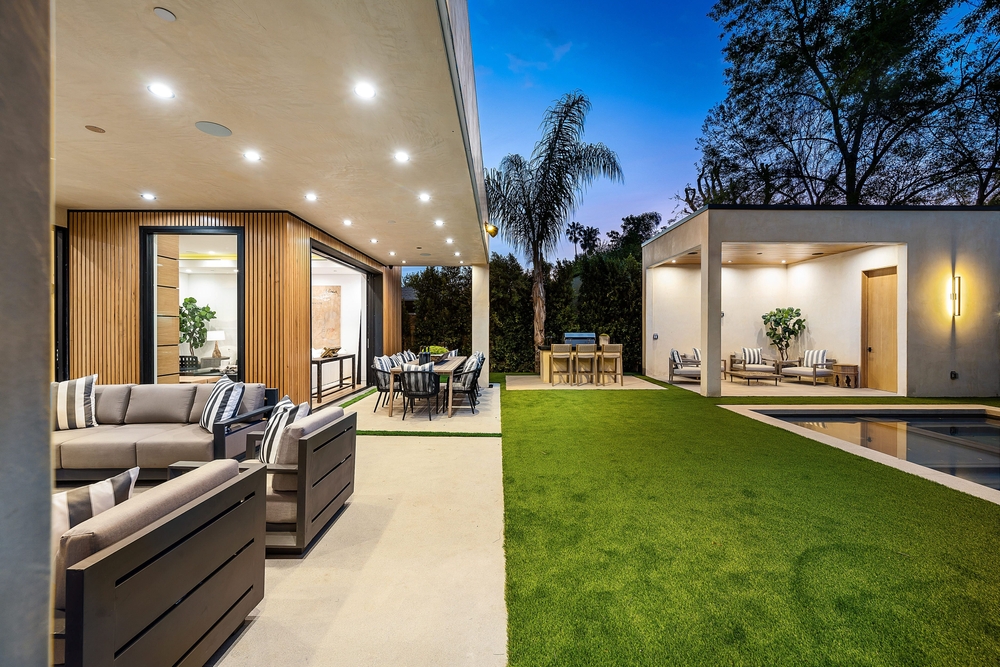
Looking for experts in modern outdoor lighting in Naples? You’re in the right place!
Outlining architecture with light does take good taste, but it also takes direction, experience, and an eye for balance. At Illuminated Lighting Design Services, we specialize in solutions that complement structure rather than compete with it.
From softly highlighting columns to tracing the edges of a swimming pool so outdoor spaces feel as considered as the interiors, our team turns clean lines and subtle forms into standout features. Let us help you draw the lines that make your property in Southwest Florida unforgettable. We’re here to help, so give us a call today!