
The Glow-Up Takes a Village: How Lighting Designers Collaborate with the Whole Project Team
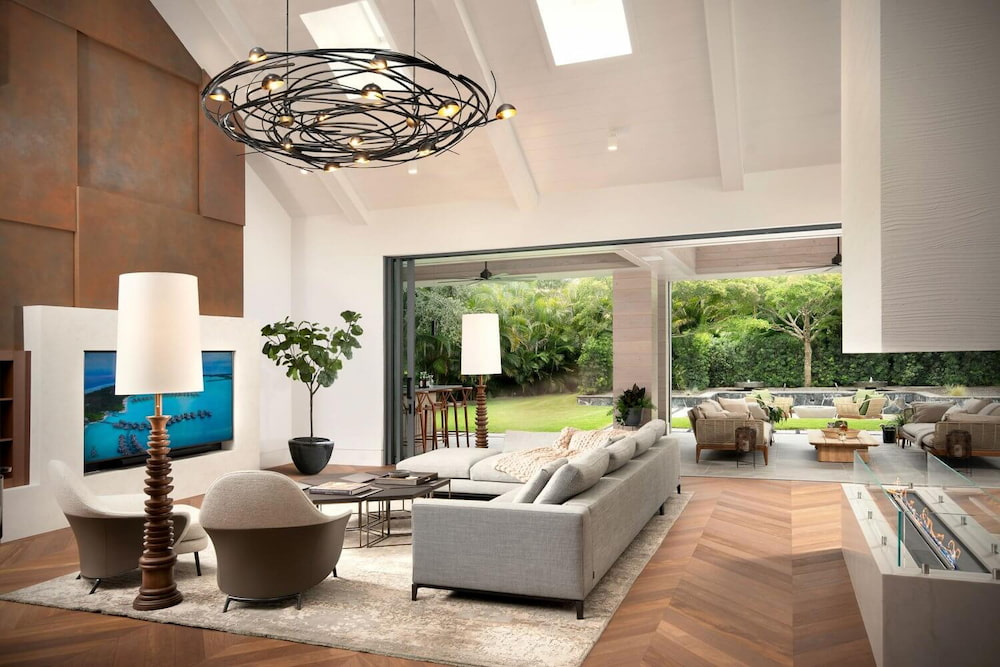
A home lighting designer does much more than decide where the beautiful fixtures should make their grand entrance. In a luxury residence, lighting touches architecture, interiors, wiring, cabinetry, artwork, outdoor living, controls, finishes, and the way a home feels once the sun slips behind the palms.
For upscale homeowners building or renovating in Florida, that kind of behind-the-scenes magic usually involves a full cast. Architects shape the structure, builders keep the show moving, electricians make the plan behave, and interior designers refine the mood. Cabinetry, landscape, pool, stone, and smart-home teams all bring their own kind of brilliance.
Great lighting isn’t a solo act, not even for a professional. The glow-up really does take a village, and the best results happen when the whole project team knows how to move together before anyone starts improvising with a ladder, a fixture box, and a hopeful little prayer.
How do lighting designers work with architects, builders & interior designers?
A strong lighting plan supports the entire project team. It doesn’t steal the spotlight from the architect, builder, or interior designer. It helps their work look its best in real rooms, at real times of day, for real people who cook, gather, host, unwind, and occasionally sneak into the kitchen for midnight gelato.
Architects shape the bones
Architecture gives a home its structure, proportion, rhythm, and personality. Lighting helps those details come alive after sunset. Ceiling heights, beams, soffits, coves, staircases, glass walls, and focal points all affect where illumination should go.
A recessed fixture that looks innocent enough on paper may feel wildly out of place if it lands too close to a beam, misses the art, or turns a cozy room into an interrogation scene. That’s why the path from early lighting ideas to final installation matters. The sooner the vision is understood, the easier it is to place the right fixtures in the right spot without asking the ceiling to perform acrobatics later.
Builders keep pretty ideas practical
Luxury lighting can be elegant, dramatic, subtle, playful, or all of the above. Still, even the dreamiest idea has to be built in the real world, where framing, wiring, access, schedules, and lead times all have opinions.
Builders and contractors help coordinate timing, sequencing, and installation details. Fixture dimensions, driver locations, trim requirements, control needs, and product information all help the construction team understand what needs to happen and when.
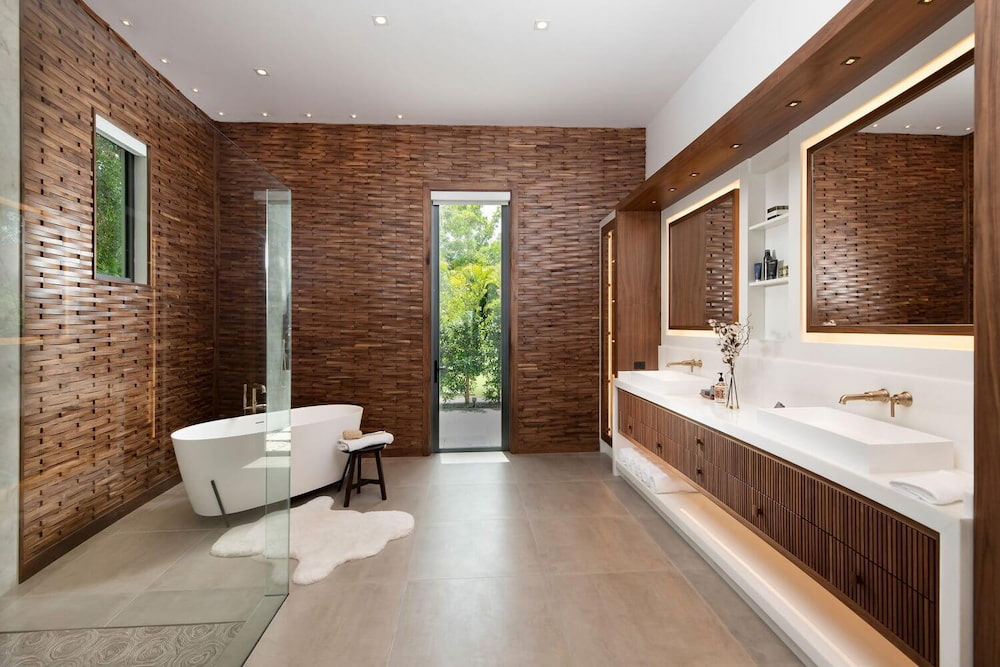
Without those details, lighting can turn into a glamorous guessing game. Sparkly? Maybe. Efficient? Not so much.
Interior designers help lighting flatter the finishes
Interior designers think deeply about color, texture, furniture, fabrics, art, mirrors, decorative fixtures, and the feeling of each room. Lighting has a direct effect on all of it. The wrong tone can make a gorgeous finish look tired. Poor placement can throw glare onto stone, glass, or polished surfaces.
A fixture can be stunning and still be stunningly wrong for the space. When illumination and interiors work together, the result feels layered, flattering, and comfortable instead of harsh, dim, or accidentally theatrical.
Why does lighting coordination matter during a luxury home project?
Lighting coordination matters because illumination rarely stays politely in one lane. It may be tucked into ceilings, hidden under cabinets, integrated into shelves, aimed at art, placed along pathways, or connected to controls that change the mood of the whole home.
When the team coordinates early, it can help prevent:
- Fixtures landing in awkward locations
- Rooms feeling too bright, too dim, or uneven
- Glare bouncing off stone, glass, or glossy finishes
- Drivers and transformers having nowhere discreet to live
- Switches or keypads interrupting clean wall designs
- Decorative fixtures doing too much functional work
- Outdoor areas feeling harsh instead of relaxed
- Last-minute substitutions that dull the final effect
This matters even more in high-end homes, where every finish has been chosen with care. Lighting should protect that investment. It should make the kitchen more inviting, the great room more dimensional, the lanai more relaxed, and the artwork more magnetic without making the home feel like it’s trying too hard.
When lighting decisions are made early in the project timeline, the team has more room to plan cleanly and fewer reasons to scramble later. The result feels intentional, not like someone had to shrug and say, “well, this is where the wire ended up.”
Who should be involved in the lighting design process?
The best outcomes happen when the right voices are included early enough to make a difference. Not every person needs a chair at every meeting, but the plan should respect how each discipline affects the final result.
The homeowner
The homeowner brings the most important context: real life. How do you use the kitchen? Where do you read? Do you entertain often? Is the lanai for cocktails, quiet evenings, family dinners, or all three? Do you want the home bright and energetic during the day, then soft and moody after dark?
Those details shape scenes, dimming zones, fixture choices, and atmosphere. A beautiful plan has to fit the people living inside it, not just the drawings on the table.
The electrician & smart-home team
Electricians and technology specialists turn the vision into a working system. Wiring paths, dimmers, drivers, switch locations, keypads, control zones, compatibility, and programming all matter.
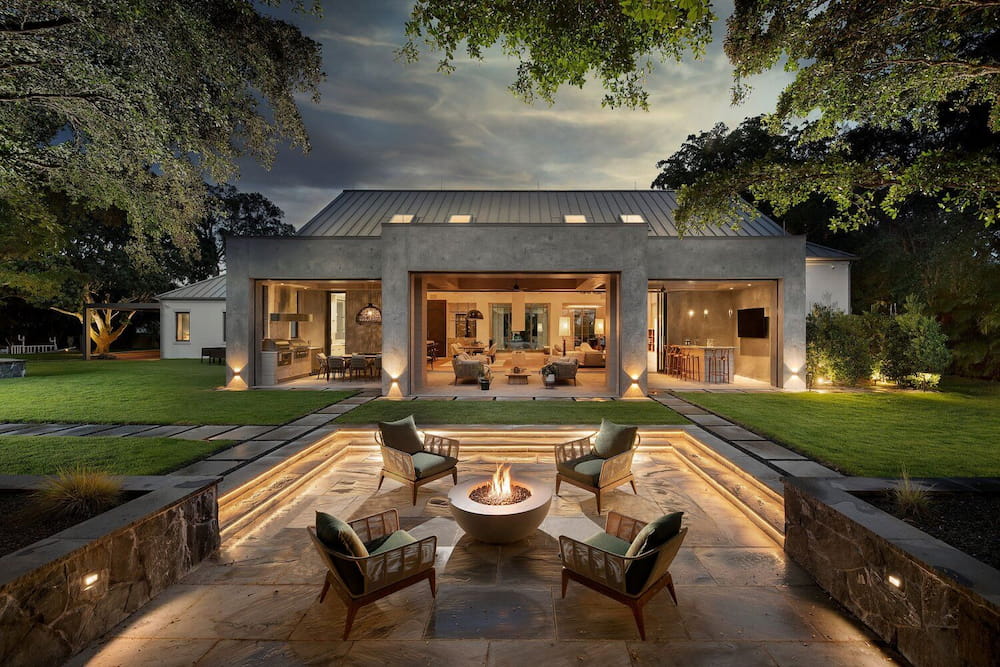
This is the technical side of the glow. A room can have gorgeous fixtures and still feel frustrating if the controls are confusing, the dimming is fussy, or the scenes don’t match how the home is actually used.
The specialty teams
Some of the most memorable lighting moments happen where trades overlap. Cabinet and shelving lighting may need to tuck neatly into millwork. Backlit stone requires coordination with materials and fabrication. Outdoor lighting may involve landscaping, hardscaping, pool areas, pathways, docks, gardens, and waterfront views.
These details are much easier to plan before surfaces are finished, especially when the team already knows what needs to be resolved before the walls go up. Everyone gets to stay in their lane, but those lanes need to merge before the finish line.
Who should you call when you need a sophisticated home lighting designer?
Illuminated Lighting Design Services helps homeowners in Fort Myers, Naples, and throughout Southwest Florida bring the full lighting conversation together before the details get scattered. From new construction and remodeling to outdoor living, architectural illumination, specialty features, and refined whole-home ambiance, our team coordinates the creative and technical pieces so the finished result feels intentional from the first switch to the final glow.
With a thoughtful eye for beauty and a practical understanding of how projects actually come together, we work alongside architects, builders, designers, electricians, and specialty trades to shape lighting that feels integrated into the home instead of sprinkled on at the end. If you’re ready for a setup that supports your architecture, flatters your finishes, and brings a little more magic to everyday living, contact us today to start the conversation.