
What You Need to Know About Tunable White Circadian Lighting
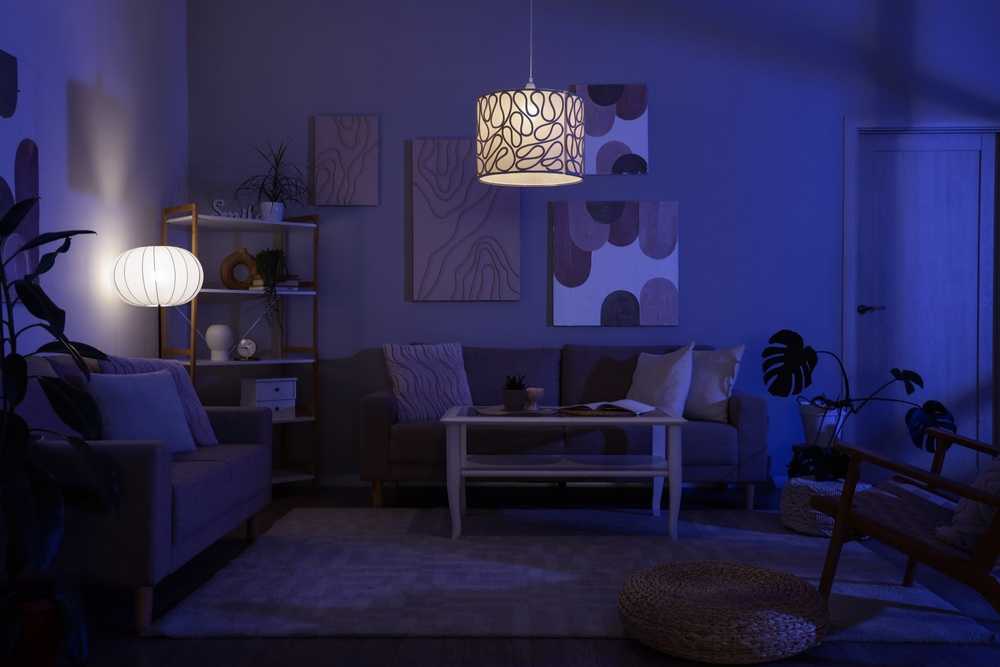
Tunable white circadian lighting is built around a simple idea: the light in your home should be able to shift in tone and intensity the way natural light does throughout the day. Instead of one fixed “correct” color temperature, you gain a range you can move through with intention.
In many homes, this starts with familiar formats like LED recessed lighting paired with linear and decorative fixtures that can all change color temperature together in your Naples space. The technology behind it mixes different LED channels inside the same fixture, then blends them into a smooth gradient from warm to cool. When it’s set up properly, the transition feels quiet and gradual, not like switching between completely different lights. In this article, we’ll walk through what tunable white circadian lighting actually does, where it makes the most impact, and how to think about scenes that follow the rhythm of your day.
What is tunable white circadian lighting?
Tunable white circadian lighting refers to fixtures that can shift along the white spectrum without moving into full color. Instead of being locked into one color temperature, the system lets you adjust the tone of the light to better match the time of day and what you’re doing. The same room can feel crisp and clear in the morning, balanced and neutral mid-day, and warm and relaxed in the evening, using the same fixtures.
Technically, this happens because each fixture contains multiple LED channels at different color temperatures. A driver and control system blend those channels so you see a smooth transition rather than obvious jumps between settings. In practice, that means you can create “cooler and brighter” scenes that support focus and “warmer and dimmer” scenes that feel more restorative, all with a single family of lights.
You’ll often see tunable white circadian lighting mentioned alongside “human-centric lighting.” The ideas overlap, but they are not identical. Human-centric lighting is a broader concept about supporting alertness and rest through thoughtful light design. Tunable white is one of the tools that can help achieve that, especially when it’s combined with good placement and controls that make it easy to move through a simple set of scenes across the day.
How can I use tunable white lighting throughout the day at home?
Tunable white works best when it quietly follows your routine instead of asking you to manage it constantly. You don’t need dozens of scenes or complicated settings. A handful of well-planned shifts across the day is usually enough to make the house feel more in sync with how you’re using it.
Morning
In the first part of the day, slightly cooler and brighter light can help you feel more alert and see tasks clearly. You may:
- Set kitchen and breakfast areas to a cooler white while you make coffee and get organized.
- Use a brighter, neutral-to-cool tone at vanities so shaving, makeup, and grooming feel accurate and easy.
- Keep hallways and staircases at a comfortable level so you can move around safely without harsh contrast.
You don’t need extreme “daylight” levels everywhere. A gentle shift toward cooler white and a bump in brightness is usually enough.
Midday and work-from-home
As the day settles in, neutral whites tend to feel the most natural, especially if you’re working from home or moving between tasks. For midday, consider:
- Neutral white in home offices or study areas to keep screens, paper, and materials looking accurate.
- Slightly lower levels in adjacent spaces so your eyes aren’t constantly adapting to big changes in brightness.
- Keeping tunable white in a fairly tight range during this period so the house feels stable and easy to read.
Here, tunable white is less about drama and more about comfort and visual clarity.
Late afternoon and evening
Later in the day, you can gradually shift to warmer and more softer light that supports winding down and spending time with family or guests.
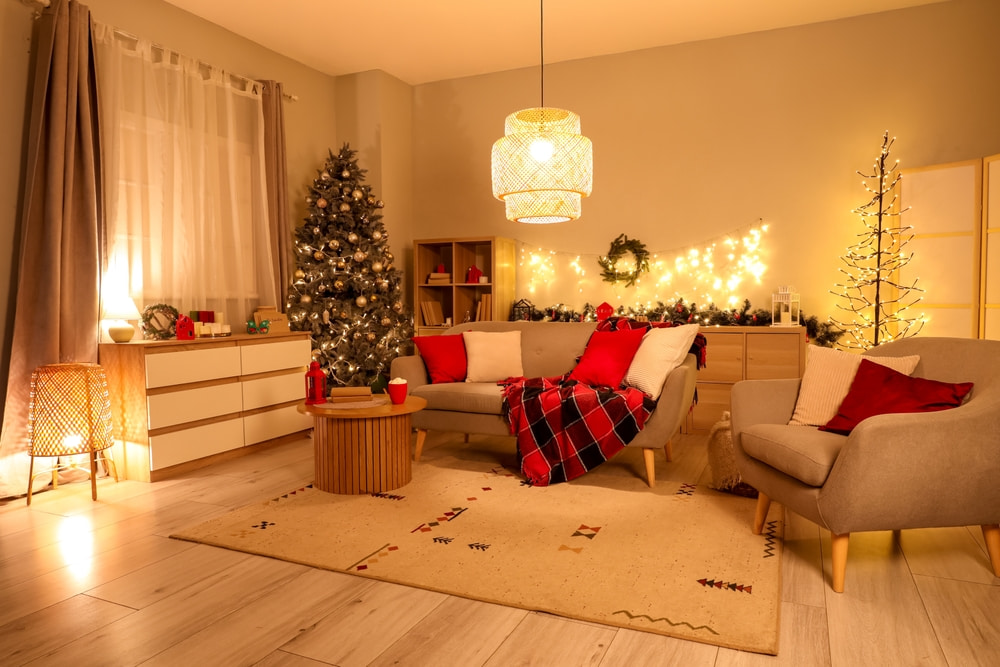
- Bring living rooms and dining areas into a warmer, dimmed setting that flatters skin tones and finishes.
- Reduce overhead brightness and let table lamps, sconces, and integrated accents carry more of the work.
- Soften light in bedrooms and bathrooms so the transition from active to relaxed feels gradual, not abrupt.
This is where the “circadian” idea becomes more noticeable: as color temperature and brightness warm and drop, the house signals that the day is slowing.
Late night
For the last part of the day, tunable white can help keep the home functional without disrupting rest. Useful late-night settings include:
- Very low, warm levels in hallways and staircases for safe movement without fully waking you.
- Soft and warm light in bathrooms that’s enough to navigate but doesn’t feel jarring.
- A “night” scene that can be triggered from a keypad or app, taking the whole house into a quieter state.
With a small set of these scenes in place, tunable white circadian lighting becomes part of the background rhythm of the home, rather than a feature you only notice when you’re changing settings.
Which rooms benefit most from tunable white lighting?
Tunable white can technically go anywhere, but some rooms feel the difference more clearly than others. Spaces that carry you from early morning through late evening, or that have to shift between “task” and “relax” modes, usually see the biggest payoff.
Kitchens and open-plan living areas
Kitchens do double duty: bright, focused light for prep and cooking, then softer light when the evening slows down or the space becomes part of entertaining. Tunable white lets the same fixtures feel crisp in the morning and more relaxed at night, especially in open-plan layouts where kitchen, dining, and living all share a ceiling.
Home offices and study spaces
In work areas, neutral-to-cool whites help with focus and visibility, especially on cloudy days or in rooms that don’t get much daylight. Tunable white gives you a way to keep the room feeling clear during work hours, then ease it toward warmer tones when the laptop is closed so the space doesn’t feel like a permanent office.
Living rooms and media spaces
Living rooms shift from reading and conversation to TV, music, or hosting. Tunable white supports that range: slightly cooler, brighter scenes for daytime use, warmer and lower settings for evenings and movie nights. The ability to move the overall tone toward warmth without changing fixtures helps finishes and skin tones look better after dark.
Bedrooms and master baths
In bedrooms and adjoining baths, tunable white is about helping transitions feel smoother. Cooler scenes are useful for morning routines, while dimmed settings in the evening make it easier for the room to feel like a retreat. Even small shifts in tone and level can change how restful the space feels.
Entryways, halls, and stairs
Circulation areas benefit from modest use of tunable white: clearer and slightly cooler light when the house is busy during the day, and warm, low-level scenes for evenings and late-night wayfinding. The goal here is comfort and safety without harsh contrast.
In many other locations, a well-chosen fixed color temperature or warm-dim fixture may be enough. Tunable white makes the most sense in the rooms where light has to respond to both time of day and how the space is actually being used.
Who are the leading experts for LED recessed lighting near me in Naples?
Tunable white circadian lighting works best when it’s part of a bigger plan, not an isolated upgrade. When you bring Illuminated Lighting Design in early, we can decide where tunable white truly adds value and how it should work with key elements like LED recessed lighting, decorative fixtures, and integrated accents.
We map out scenes that feel natural across the day, so color temperature shifts quietly support how you cook, work, relax, and sleep instead of calling attention to themselves. If you’re considering tunable systems and want them to feel effortless rather than experimental, our team in Southwest Florida can help you translate the technology into a calm, coherent experience at home.