
The Real Cost of Late Lighting Decisions: It’s Often More Than Most Homeowners Expect
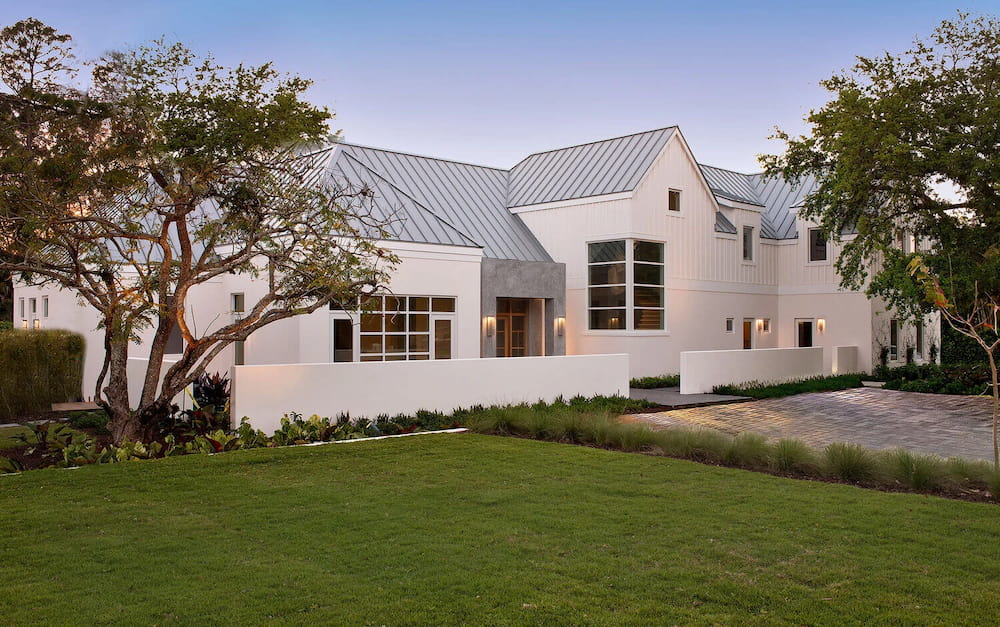
Lighting has a bad habit of getting pushed to the back of the line. The floor plans get approved. Cabinetry gets finalized. Construction gets moving. Then somebody finally asks: “So… what are we doing for lighting?”
By that point, many of the most important decisions have already been made. Ceiling conditions are locked in, electrical rough-ins are underway, and flexibility is quickly disappearing. That’s when projects start bleeding money. Not because lighting is inherently expensive—but because late decisions, that don’t often involve lighting design firms, create expensive consequences.
Why delaying lighting decisions costs more
People often assume lighting changes are minor. Move a fixture here. Add a pendant there. Swap a trim later. Simple… until it isn’t.
Because lighting affects everything from architecture, electrical systems, controls, and millwork to finishes and functionality, late changes tend to ripple across multiple trades and phases of construction.
1. Rework becomes expensive
Moving a fixture after framing or drywall is complete often means:
- Cutting ceilings
- Rerouting wiring
- Patching finishes
- Coordinating trades back into finished areas
What could have been solved on paper becomes field rework, delays, and added labor costs.
2. Electrical systems become harder to adapt
Lighting relies on:
- Circuit planning
- Switching logic
- Dimming compatibility
- Driver placement
- Control integration
When these systems aren’t coordinated early, electricians are forced into reactive solutions based on existing conditions. That often limits functionality, flexibility, and future serviceability.
3. Your best fixture options disappear
Lighting isn’t just about aesthetics. Ceiling depth, framing, sightlines, millwork, and structural conditions all affect what fixtures can realistically be used. When lighting is planned early, the design shapes the architecture. When it’s planned late, the architecture starts limiting the lighting.
How does late planning affect the overall design?
The financial cost is only part of the issue. The bigger loss is usually experiential.
Flat lighting replaces layered lighting
Great spaces rely on layered lighting, which is often blended to create depth, flexibility, and atmosphere.
Without planning, projects often default to a ceiling full of evenly spaced downlights, trying to solve every problem at once—creating spaces that feel bright but emotionally flat.
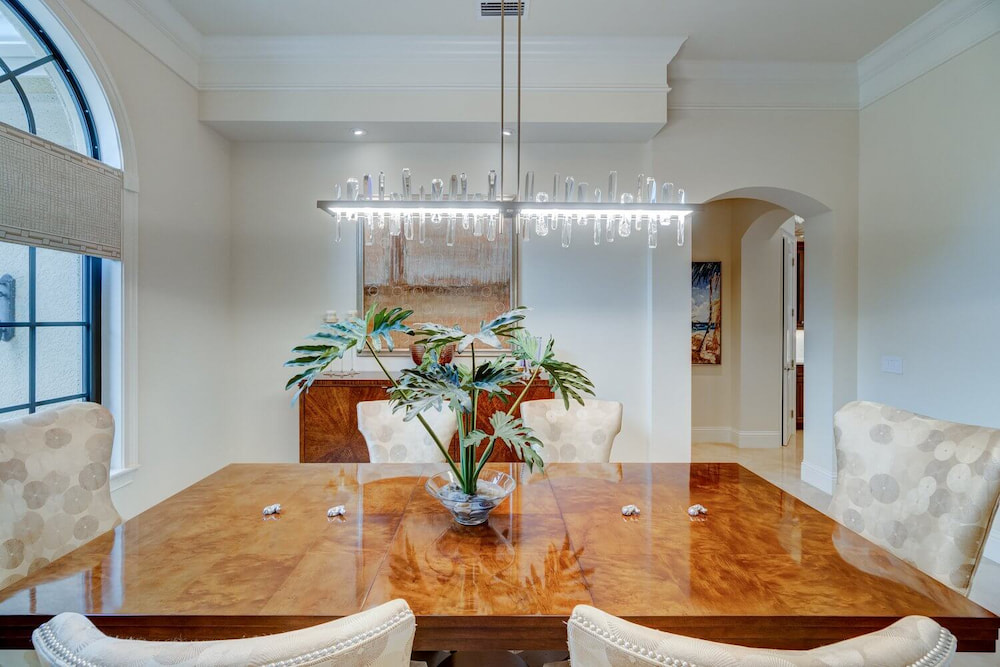
Poor placement creates daily frustration
Bad lighting placement often leads to:
- Glare
- Shadows
- Uneven illumination
- Flicker
- Poor dimming
- Improperly lit artwork
- Uncomfortable seating areas
Good lighting design isn’t about randomly spacing fixtures across a ceiling. It’s about understanding how light interacts with architecture, materials, and people.
Architectural details lose impact
Lighting is what allows architecture to speak after sunset.
Without intentional lighting, beautiful materials and design features often disappear at night—or worse, get highlighted in all the wrong ways.
What problems show up after construction & move-in are complete?
This is where homeowners finally feel the consequences.
Spaces may look fine during construction, but once people begin living in them, problems become obvious:
- Rooms feel too harsh or too dim
- Lighting lacks flexibility
- Entertaining feels awkward
- Nighttime circulation feels uncomfortable
Because lighting problems reveal themselves through lived experience.
And once construction is complete, fixing them becomes significantly more expensive.
If you’re reviewing your plans, it may also help to see what goes into a well-structured lighting plan before construction starts, take a closer look at the details that make lighting feel more tailored in a high-end home, and understand how early lighting decisions can influence long-term property value.
Where can I find a lighting design firm that plans everything before construction?
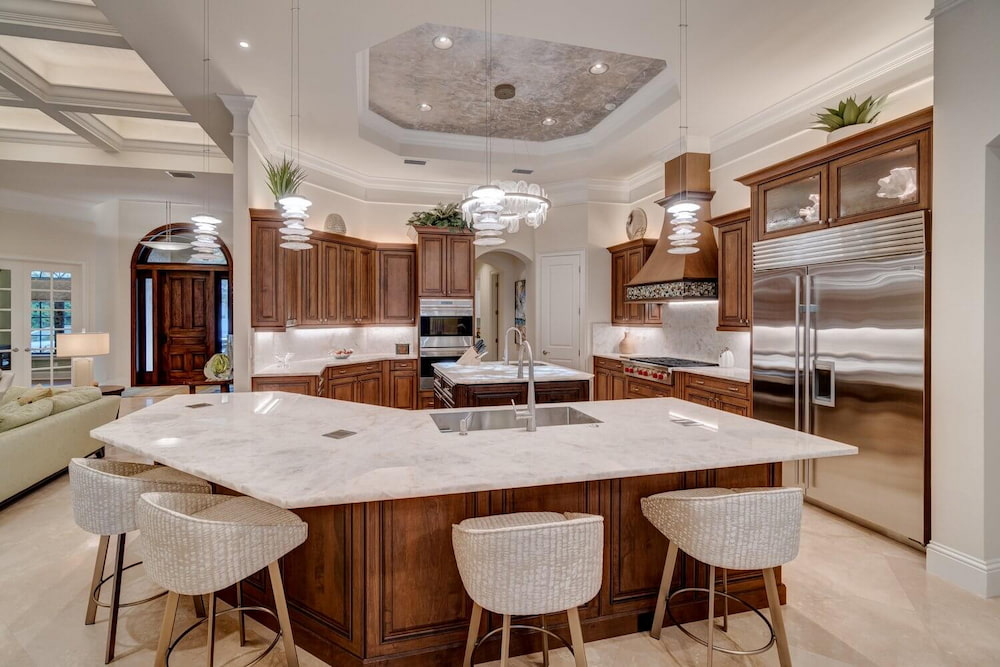
At Illuminated Lighting Design Services, we believe lighting should be part of the architectural conversation from the very beginning—not squeezed into whatever space remains after every other decision has already been made.
Because great lighting isn’t just about fixtures. It’s about shaping how a space feels, functions, and lives for years to come. And that’s worth investing in.