
How to Layer Bedroom Lighting
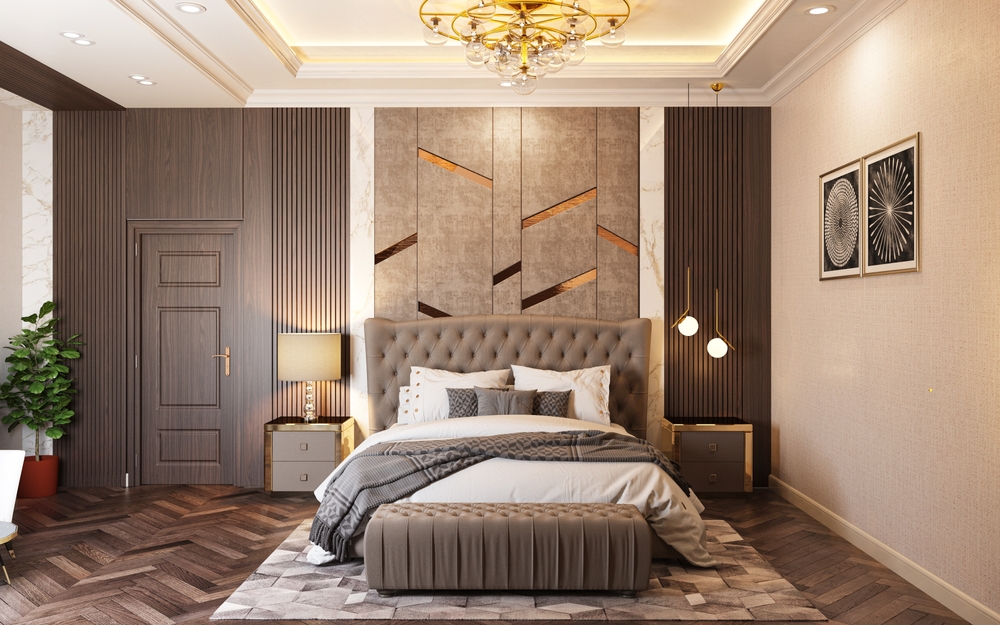
Bedroom lighting should feel effortless. However, behind that softness is a deliberate, layered design. An illumination design consultant starts by treating light as both structure and texture – defining zones, supporting daily rituals, and guiding the eye without distraction. The focus is general illumination, but not simply brightness alone. When lighting in a bedroom is layered with intention, the space becomes a personal environment that shifts with your needs, time of day, and mood. Let’s break down the key types of light, when and where to use them, and what to consider for a truly tailored design.
How to properly light a bedroom?
When it comes to lighting a bedroom, installing four cans and a fan, or picking the prettiest ceiling fixture and calling it a day doesn’t necessarily do the trick. Your space needs curation, combining atmosphere and usability. That means thinking in layers. So how do you build that perfect balance without overlighting one area and forgetting another? Let’s explore.
Designing for the Human Experience
Before a fixture gets chosen or a layer gets plotted, a seasoned consultant thinks about how the room is actually used. Are you reading in bed before going to sleep? Sharing the room with a partner on different sleep schedules? Need to control the natural light? All of this matters. Start with the human rhythm, the points in the day where light needs to adapt, and then build the design from there. Creating zones that respond to real behaviors is essential. Understanding the potential benefits of circadian-type lighting can also add to one’s sense of well-being.
Creating the Base Layer
Every room needs a foundational glow, but in a bedroom, it should be subtle and shadowless. This isn’t the space for high contrast or spotlight drama. Instead of relying on a single overhead source, the goal is even coverage, often achieved directly through recessed cans, or indirectly with cove lighting, or wall grazers that bounce light softly across surfaces. Color temperature should lean towards warm or even be tunable-white, and the entire system should be dimmable.
Task Lighting With Restraint and Precision
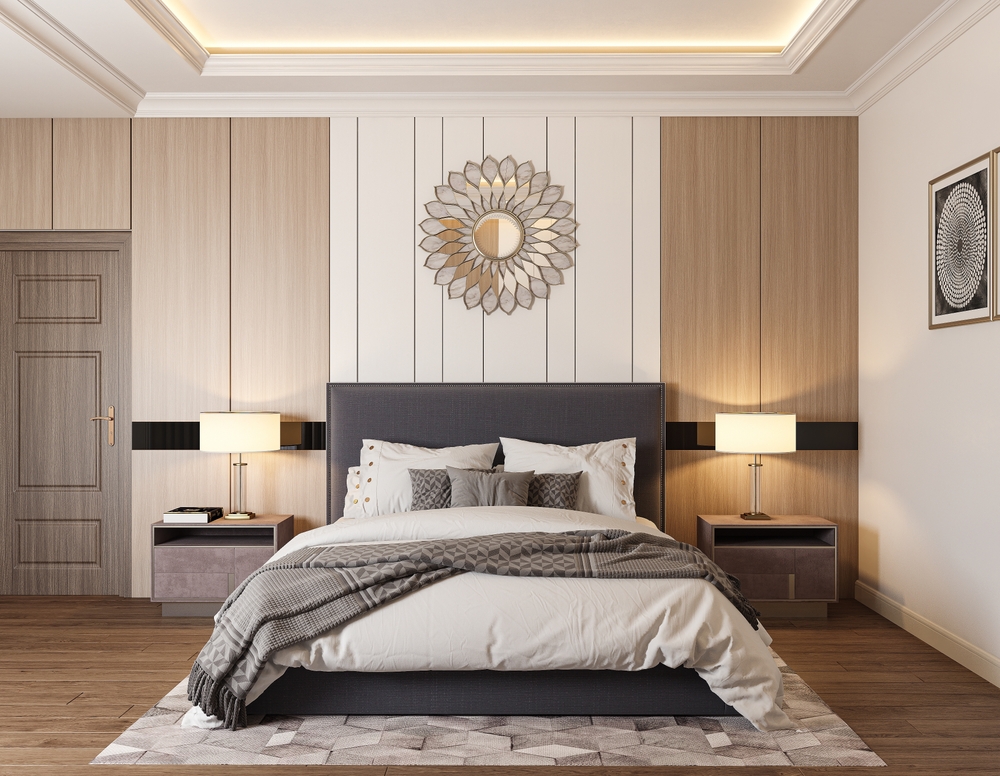
Watching TV in bed or applying makeup, these are moments that demand focused lighting. However, this shouldn’t come at the cost of glare or disruption. For example, directional recessed lighting over the dressing area can deliver precise illumination with beam angles tailored to avoid spill, while fixtures placed below eye level offer focused light for reading without glare or visual disruption. The aim is for light to do its job quietly, without stealing attention from the rest of the room.
Sculpting With Layers
This is where you step beyond functionality and into artistry. Accent lighting brings depth to a space. Uplighting a textural wall, adjustable lighting behind a headboard, or even toe-kick lighting under a platform bed adds contour and mood. The trick is restraint. A professional lighting designer doesn’t simply throw in linear strip lights just because they can. They select accents that elevate the room’s architecture or anchor its emotional tone. Every light source has a reason, and every effect has a role.
Controls That Align With Circadian Cues
Finally, none of this matters without proper control. A complete bedroom lighting plan always accounts for user interaction, whether it’s manual or automated. That might mean multi-scene presets (Sleep, Read, Wake) via a keypad or integrating voice control to program natural daylight patterns across the day. Either way, the goal is to ensure the entire system works with your daily rhythms, not against them.
Why working with home architectural lighting designers changes everything
At every step, we approach lighting design as both a science and a craft. At Illuminated Lighting Design Services, we understand architectural flow and create lighting that responds to how you live. Our team dives deep into bedroom layouts, ceiling heights, task zones, and hallway patterns to develop thoughtful lighting strategies that support your lifestyle without overwhelming the design. Our goal is to make your bedroom a space that works beautifully, technically, and emotionally.