
Focus: Drawing the Eye Where It Matters
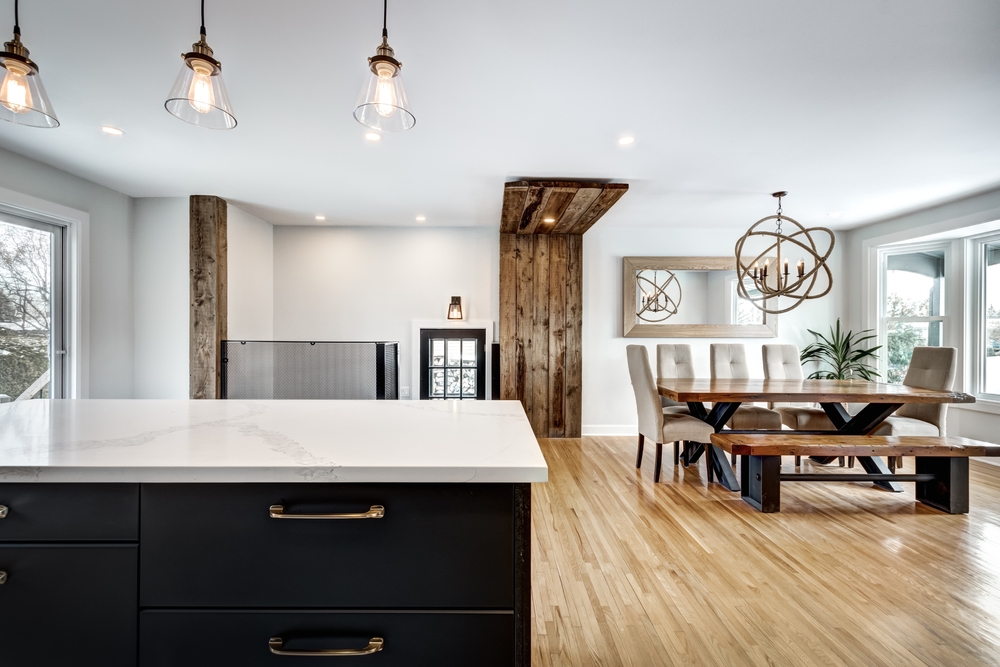
Sometimes, great design is about what doesn’t shout for attention. It’s about leading the eye without overwhelming it. This could mean working with geometry, varying brightness levels, or integrating techniques like custom linear lighting design when the architecture calls for it.
The goal is always the same: to create a visual hierarchy that feels intentional, fluid, and architecturally grounded. In this article, we’ll explore how to use lighting to create emphasis without distraction, supporting both the flow of movement and the emotional rhythm of the space.
How to create focal points in interior lighting design?
Lighting is directional. It tells the eye where to go, what to notice, and what to feel. In interior design, focal points give a space its hierarchy, and lighting is the fastest way to establish that hierarchy. Whether you’re showcasing textured stone or framing a sculpture-filled hallway, the right lighting ensures those details don’t fade into the background.
Instead of relying on a single bright source, designers create visual rhythm through intensity and contrast. That might mean anchoring a room with a recessed spotlight on a canvas or subtly backlighting a panel to give it an ambient glow. Accent lighting, directional fixtures, and linear lighting design are often used in tandem to guide the gaze without overwhelming the senses.
What matters most is balance. Every focal point needs room to breathe. With the right strategy, lighting becomes an invisible hand that orchestrates how a room unfolds.
Techniques for directing visual attention with light
Once the focal point is identified, the question becomes how to draw the eye there, but without making it obvious or overpowering the space. This is where both restraint and precision come into play.
Layer Contrast Intentionally
A focal point stands out because the surrounding elements step back. Adjusting nearby lighting levels and shifting beam angle helps the eye settle naturally where it matters most. It’s about composition, not competition.
Control the Beam With Precision
Crafting a focal point is about identifying the boundaries. With the right optics and lensing, you can fine-tune every edge of illumination. Linear lighting design, in particular, offers control over where the light starts, how it travels, and where it quietly disappears.
Use Height and Distance Strategically
The fixture’s placement changes everything. Too close, and you get glare, and too far, the intended impact can fade. Positioning should be based on geometry and viewer angle. In some cases, indirect lighting becomes the most refined way to lead the eye.
Lead the eye with intent
Accent lighting is as much about narrative as it is about visibility. A well-placed spotlight can guide guests through an open-plan space, while subtle accents around a sculpture or textured wall can create a moment of pause. By combining a variety of lighting solutions, you’re doing more than just highlighting objects, shaping the visual journey in the process. Lighting becomes the cue that tells someone where to look, where to walk, or where to pause.
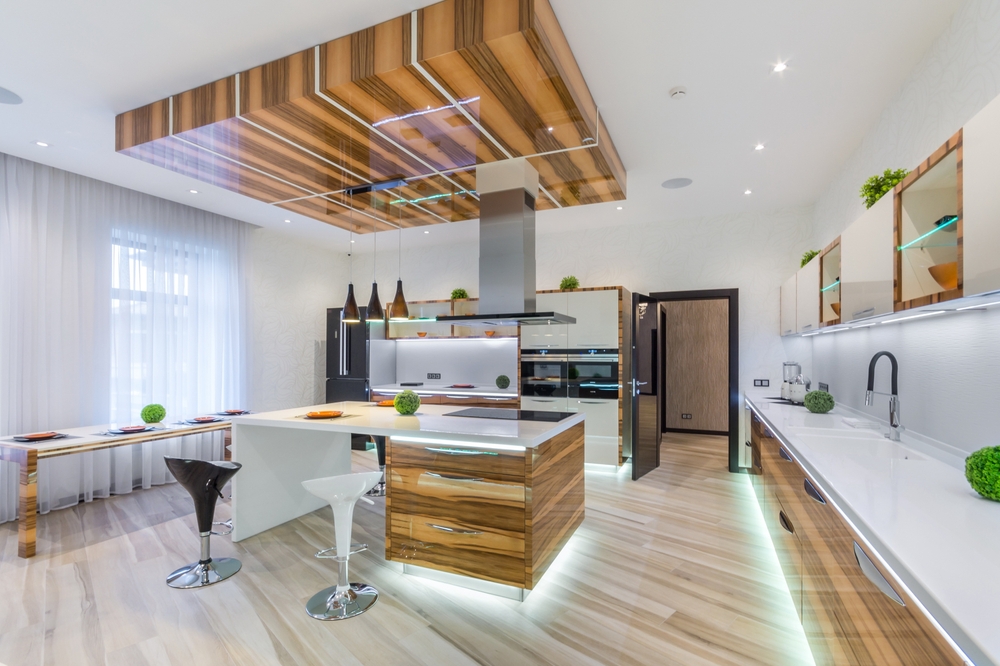
Looking for precision in custom linear lighting design? You’ve just found your team.
When the goal is to lead the eye with intention, lighting becomes a tool in refining what’s seen and how a space feels. Illuminated Lighting Design develops strategies that underscore architectural intent, creating moments that balance contrast and rhythm with intent and clarity. Whether it’s highlighting a focal wall or enhancing bedroom lighting design with subtle layering, every project begins with a clear visual objective. We apply those same principles to every detail of our work. For our specialists in Florida, lighting is an integral part of how space functions and how people live in it.