
Proper Lighting Plans Today Can Help You Avoid Lighting Pains Tomorrow
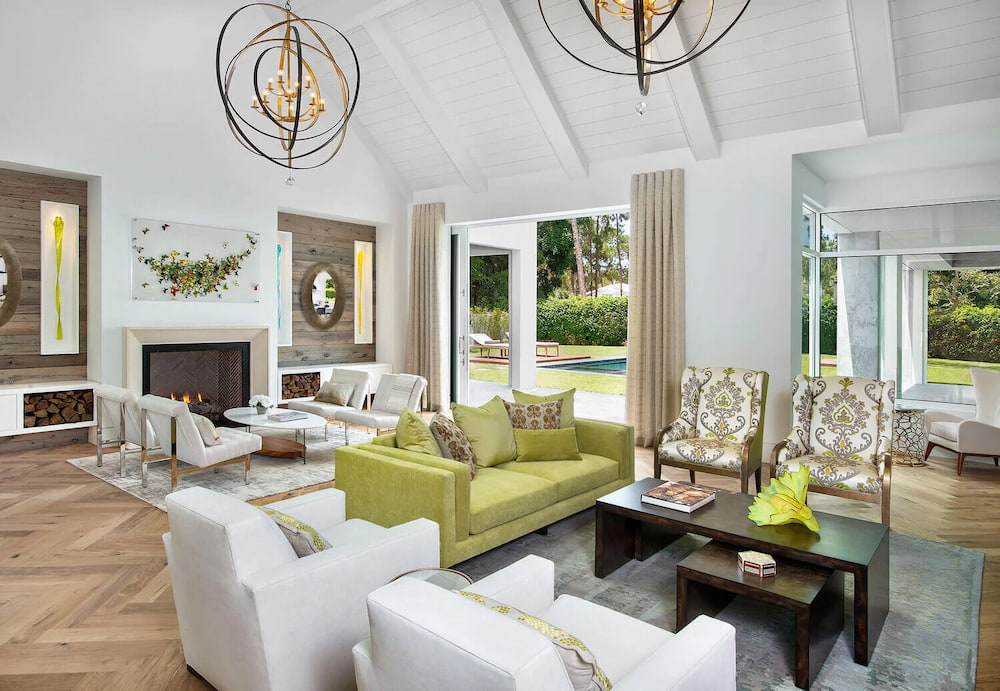
One of the most common mistakes in construction and renovation projects is treating lighting like a finish selection instead of a design discipline. The architect finishes the drawings. The ceilings get framed. HVAC fights for space. Millwork gets finalized. No one thinks to contact a lighting design consultant, but then somewhere down the road, somebody asks:
“Wait… where are the lights going?”
That’s usually the moment compromise enters the conversation.
Fixtures get shoved into whatever space is left. Wiring becomes reactive instead of intentional. Lighting controls become confusing. And the end result often feels disconnected from the architecture it was supposed to support in the first place.
A proper lighting plan isn’t just about punching holes in a ceiling and filling them with products. It’s about shaping experience, guiding attention, supporting function, and helping a space actually feel the way everyone imagined it would.
Lighting touches architecture, interiors, technology, emotion, and usability all at once. Which is exactly why it needs to be part of the conversation early. A well-developed lighting plan does more than determine where fixtures go. It shapes how a space looks, feels, and functions once everything is complete.
Why is lighting planning important before construction starts?
Lighting is one of the few elements that affects both the visual and practical side of a space. When it’s planned early, it integrates seamlessly. When it’s delayed, it often becomes a compromise.
1. It prevents expensive course corrections
Lighting becomes exponentially harder to fix once construction is underway. Moving a fixture on paper is easy. Moving it after drywall, cabinetry, stone, or finished ceilings are installed? Not so much.
Good lighting planning coordinates fixture locations, driver placement, switching, controls, ceiling conditions, and infrastructure before things become expensive to change. It helps avoid the dreaded field condition where five different trades are competing for the same six inches of ceiling space.
And trust us—the field always wins against wishful thinking.
2. It protects the design vision
Architecture and interiors create form. Lighting reveals it. Done well, lighting reinforces texture, volume, materials, rhythm, focal points, and movement throughout a space. Done poorly, it flattens everything into visual noise.
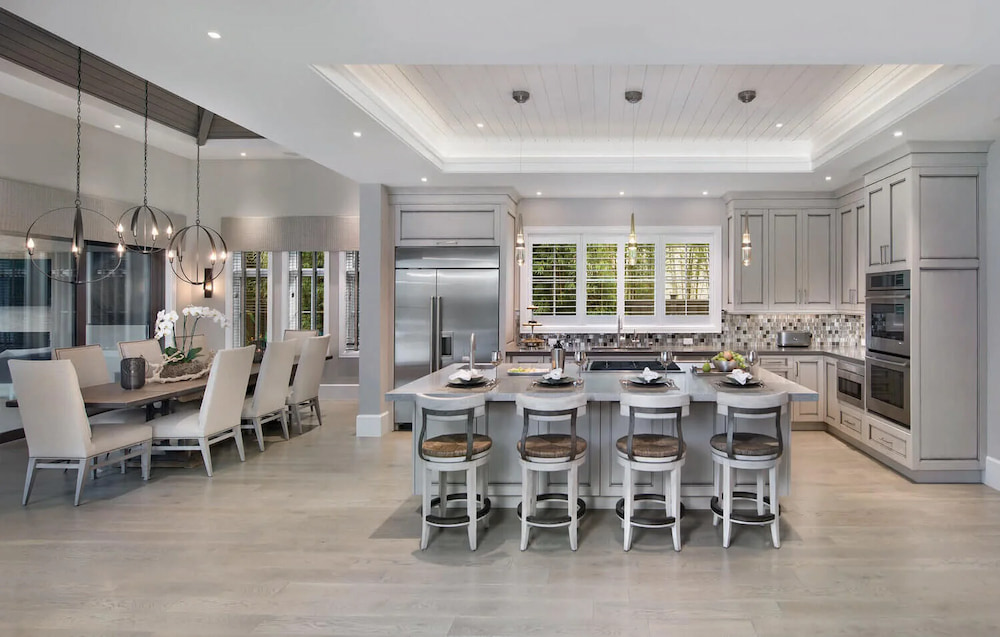
A thoughtful lighting plan considers:
- Ceiling heights
- Ceiling pitches
- Sightlines
- Beam spreads
- Millwork integration
- Architectural details
- Furniture layouts
- Artwork
- Daylight conditions
- Exterior views
Without that coordination, even beautiful homes can end up feeling strangely unfinished. Not because the architecture failed. Because the light did.
3. It improves how the space actually lives
Different spaces need different qualities of light. A kitchen should support preparation, gathering, and cleanup without feeling clinical. A primary suite should calm the nervous system instead of interrogating people like a police drama. Circulation spaces should guide movement naturally. Outdoor lighting should create atmosphere and safety without turning the property into a parking lot.
Good lighting design balances visibility, comfort, contrast, mood, and flexibility based on how people actually live. Not just how the floor plan looks on paper.
What should a lighting plan include?
A real lighting plan goes far beyond fixture selection. Anybody can sell fixtures. Design is deciding why they belong there in the first place.
1. Layered lighting
This is where many projects either become dynamic… or painfully flat.
At Illuminated Lighting Design Services, we combine lighting layers into seven luminous layers:
- FUNCTION for lighting that supports all that the hands need to do
- FOCUS for the specialty features that require additional brightness to stand out
- FEEL for enhancing the overall glow of a space, showcasing textures and surfaces
- FLOW to support transitions and movement through spaces after dark
- FRAME enhances the architectural order and symmetry of a given space
- FLAIR for the decorative expression of aesthetics, personality, and visual rhythm
- FLUX showcases the more dynamic aspects of lighting and setting proper levels of relative brightness to set the right mood in the space
These layers work together to create flexibility and visual hierarchy instead of blasting every room evenly from above like a grocery store aisle.
Because, contrary to popular belief, brighter is not automatically better. More intentional is.
2. Fixture placement—not just fixture selection
The fixture itself is only part of the equation. Placement is where the magic—or disaster—happens. A poorly placed premium fixture still creates glare, shadows, scalloping, hot spots, and visual chaos. A well-placed fixture can quietly transform a room without anyone consciously understanding why it feels so good.
Spacing, aiming, beam control, trim style, mounting conditions, and architectural alignment all matter far more than most people realize.
3. Controls & dimming strategy
Lighting should adapt to people—not force people to adapt to lighting. Morning routines, entertaining, movie watching, cooking, reading, cleaning, nighttime circulation… all require different lighting conditions.
A thoughtful plan considers:
- Dimming protocol compatibility
- Scene control
- Keypad strategy
- Switching logic
- Daylight response
- Integration with shading and automation systems
Because the best lighting systems don’t just illuminate spaces. They choreograph experience.
4. Infrastructure planning
Behind every beautiful lighting environment is an enormous amount of invisible coordination: low-voltage driver locations, dimming modules, circuiting, access panels and serviceability, adequate ventilation, and emergency back-up considerations.
None of this is sexy. All of it matters.
The earlier these conversations happen, the smoother the project tends to run.
Different spaces require different lighting approaches
Each part of a property has different lighting needs, and a plan should reflect those differences.
Interior spaces
Inside the home, lighting should support both function and emotional tone. Some spaces need precision, and others need softness. Some need drama, while others simply need restraint. Good lighting design understands the difference.
Outdoor environments
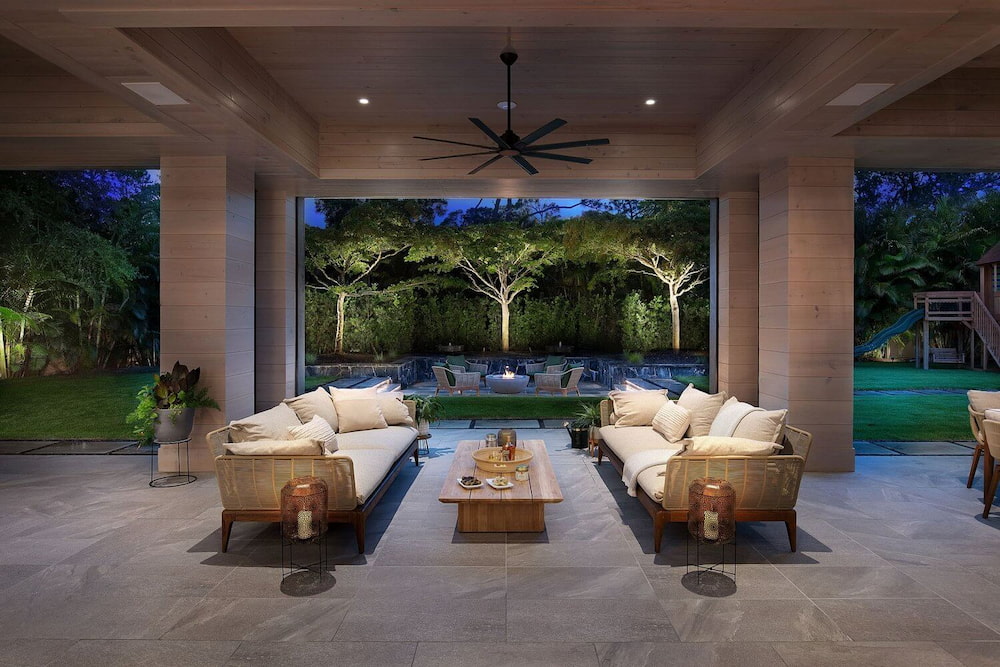
Outdoor lighting should extend architecture into the landscape—not overpower it. Path lighting, landscape integration, façade lighting, gathering spaces, water features, and transitional thresholds all benefit from intentional layering and restraint. The light should be purposeful, provide just enough brightness to effectively see, protect our nighttime neighbors, and be programmed to turn off after hours.
A good exterior lighting plan makes a property feel welcoming. A bad one makes it look like it’s preparing for a helicopter landing and blinds others needlessly.
Transitional spaces
Hallways, stairways, vestibules, and circulation zones are often overlooked, but they’re critical to how a home flows and feels. These spaces are connective tissue.
Done properly, they quietly guide movement and rhythm throughout the environment.
If you’re thinking through your approach, it can also help to understand what makes lighting feel truly custom in a high-end home, explore how thoughtful lighting design contributes to long-term property value, and see why making lighting decisions too late can lead to higher costs and compromises.
Where can I find a solid Lighting Design Consultant to help me navigate these complexities?
At Illuminated Lighting Design Services, we approach lighting as part of the architectural conversation from the beginning—balancing aesthetics, functionality, technical coordination, and the lived experience of the space itself.
Lighting is one of the few design elements people both see and feel simultaneously. And when it’s treated as an afterthought, people feel that too—even if they can’t explain why.
Because great lighting isn’t about adding more fixtures. It’s about creating better experiences with light.