
Integrating Pool Lighting Into a Full Outdoor Lighting Plan
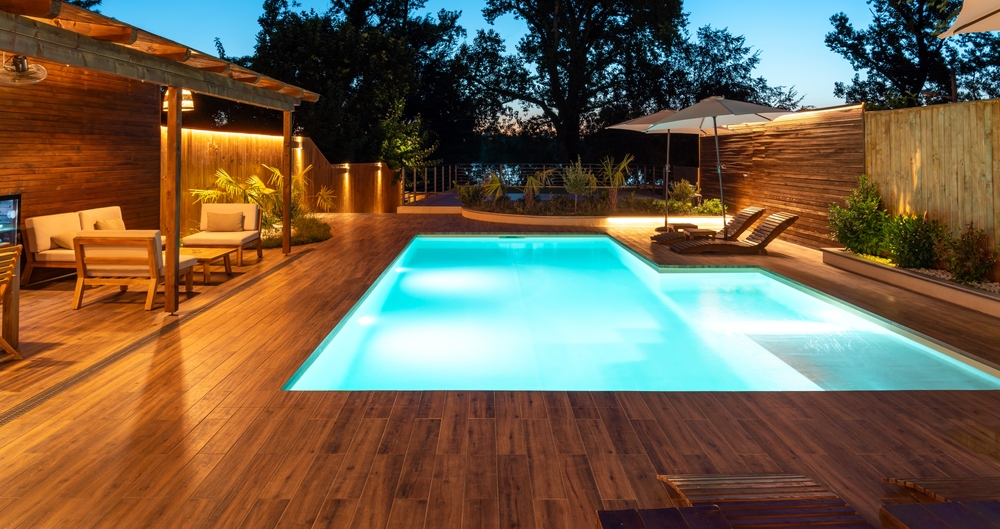
A well-lit pool is rarely an isolated feature, but usually part of a larger visual composition. From surrounding patios and dining areas to retaining walls and architectural details, the pool should feel like it belongs within a deliberate and cohesive lighting strategy. This doesn’t happen by accident. It takes careful zoning, precision optics, and an understanding of how light interacts with materials like water, stone, and foliage after dark.
Recessed pool lights, path markers, and architectural uplights each play a different role. But without coordination, they can compete rather than complement. Everything needs to work in sync to frame the water as a focal point. So how do you integrate outdoor pool lighting into a broader outdoor lighting plan for your Naples home that feels intentional, seamless, and immersive? Let’s break it down.
How to design pool lighting?
The key to a compelling nighttime environment is to approach the entire yard as a unified visual and functional space. This unified plan starts by evaluating how people move through the space after dark. Is the pool a central feature or a backdrop? Are there areas for lounging, dining, or entertaining nearby? Once zones are defined, you can match lighting styles, color temperatures, and intensities to guide the eye and set the mood throughout.
Start With Zones, Not Fixtures
Before choosing any specific light, define the primary and secondary zones across the property. These might include the pool basin, pool deck, surrounding patio, pathways, garden beds, or outdoor kitchens. Each of these areas serves a different purpose, and the lighting should respond accordingly.
Zoning allows for varied brightness levels, layered effects, and more intentional control. For example, you might want the pool to glow softly during a quiet evening but ramp up illumination on the deck when entertaining. Separating zones lets you fine-tune without compromising the atmosphere elsewhere.
Keep Color Temperature Consistent
Color temperature plays a massive role in how cohesive the space feels. Warm white (2700K–3000K) can make the area feel inviting and relaxed, while cooler tones (4000K–5000K) can create a modern or energetic ambiance. Still, combining both without intention creates visual tension.
Pool lights, path lights, and wall lights should all speak the same visual language. Choose a temperature that suits the architecture and function of the space, and carry it through across fixtures to avoid harsh transitions or disjointed lighting schemes.
Control Systems Make the Difference
Integrated lighting control systems may be first a convenience, but they’re also what elevates an outdoor lighting design from good to exceptional. App-based platforms allow for scene-setting based on time of day, activity, and even season.
For instance, a well-designed system can dim the pool lights once ambient wall sconces are on or set the underwater lighting to respond to motion. This kind of orchestration allows your design to adapt without manual intervention and gives homeowners full command over the experience.
Match Materials, Not Just Styles
Visual harmony is as much about finish and texture as it is about beam spread or wattage. When integrating pool lighting with deck or patio lighting, consider how fixture materials (brass, stainless steel, powder-coated aluminum) respond to the overall design palette.
This subtle cohesion is what keeps the lighting design feeling intentional. A bronze path light beside a sleek modern pool fixture in cool steel feels mismatched, even if both serve the correct lighting function. Details matter, especially in close-proximity zones.
Think About Reflection and Glare
The tricky thing about pool surfaces is that they’re highly reflective, which makes them both an opportunity and a challenge. Used correctly, the water can mirror surrounding lighting for a shimmering, immersive effect. But poorly positioned lighting, especially overly bright or directional beams, can create harsh glare or unwanted hot spots on the water’s surface.
Lighting around the pool should be adjusted for height, angle, and shielding. Use indirect sources when possible, and be deliberate about where beams terminate. The goal is to accentuate the water, not flatten or blind it.
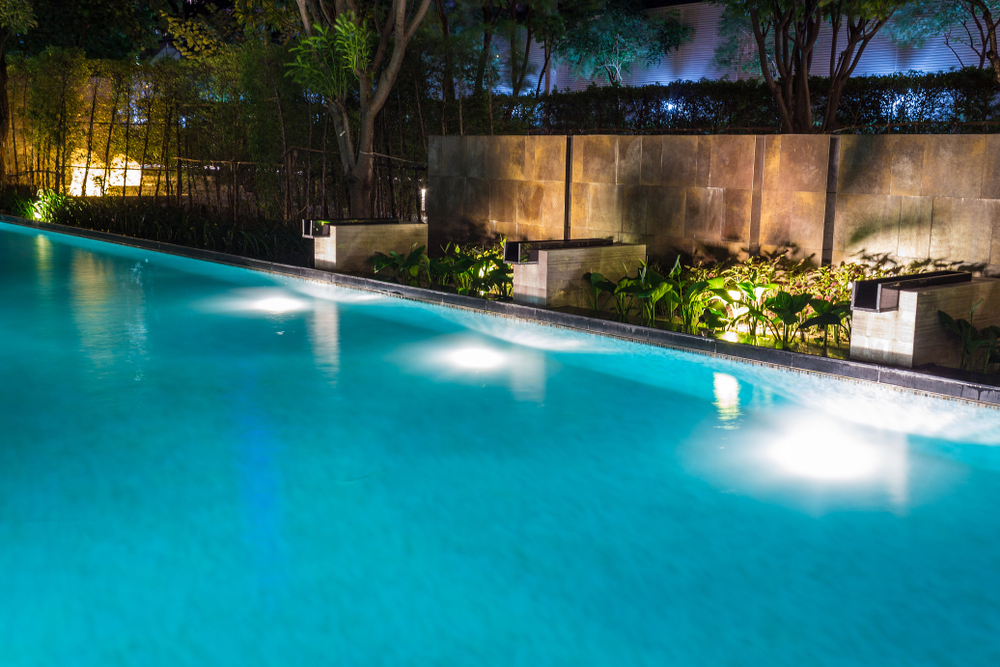
Outdoor pool lighting in Naples takes precision and planning. We bring both.
At every stage of the process, lighting is treated as an extension of the property’s architecture. We collaborate with architects, homeowners, and designers to study sightlines, materials, and elevations before determining fixture placement and beam angles.
The goal is a layered nighttime environment that feels cohesive and architecturally aligned. Whether you’re illuminating a sleek lap pool or highlighting columns on your property, our team in Collier County brings deep expertise to every project. Set up a consultation with our team today!