
A Better Light for What You Already Love: The Art of LED Retrofit Lighting
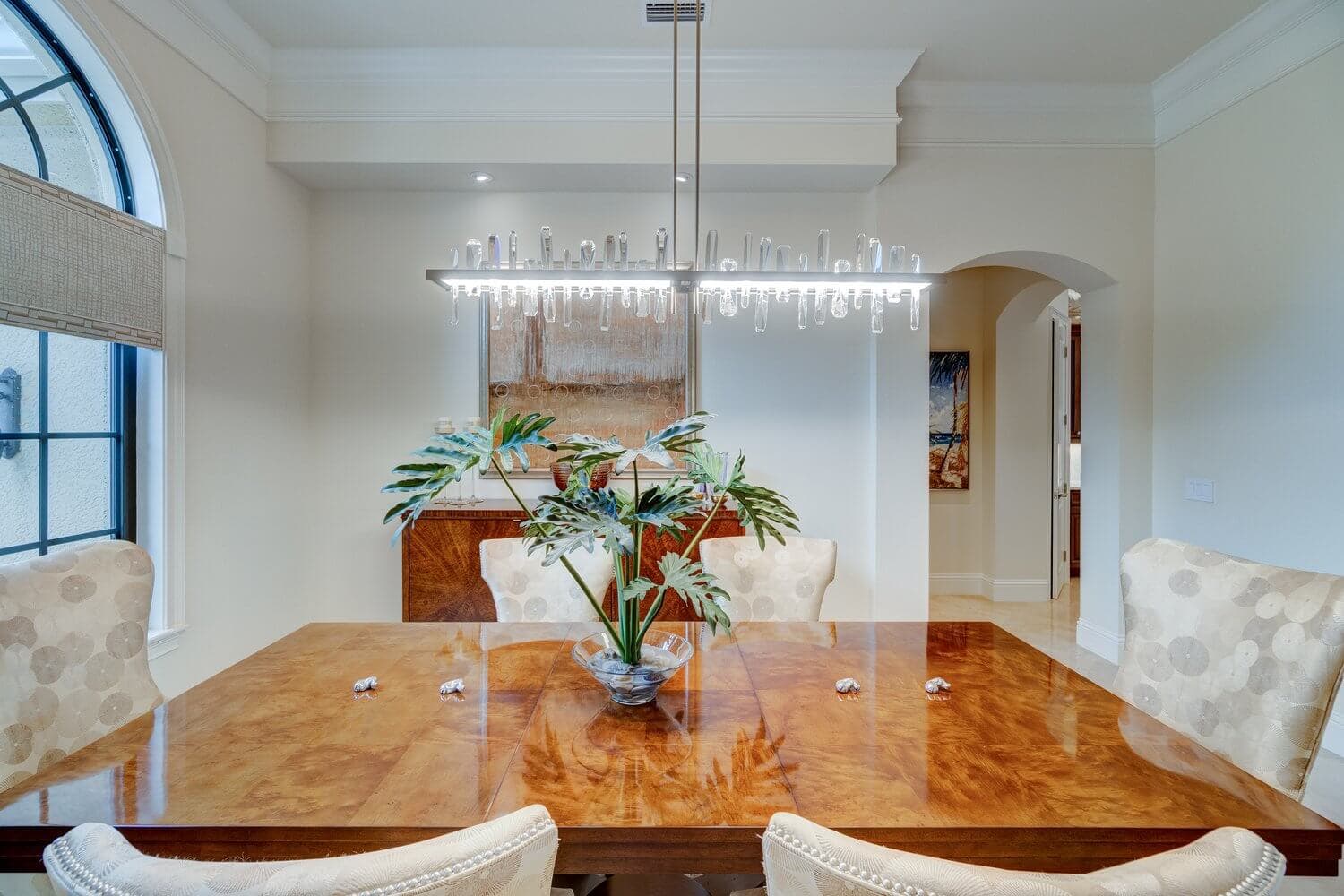
Sometimes, good lighting gets old before the room around it does. The architecture is dignified. The décor still dazzles. The fixtures still feel at home. Yet everything looks off because the light feels dated, uneven, harsh, or simply out of step with the way you want the space to look today.
Sometimes the culprit is technology that has been left behind. Sometimes the lighting no longer functions the way the space is being used. Sometimes better color, control, distribution, or dimming can dramatically improve the quality of the illumination. And sometimes a perfectly hardworking light source has simply reached the end of its useful life.
That’s where LED retrofit lighting enters to brighten up the picture. Instead of treating every lighting upgrade like a blank-slate renovation, retrofitting lets us work with parts of your existing system and introduce modern LED technology where it makes sense.
At Illuminated Lighting Design, we look at a retrofit as more than swapping one light source for another. We first study what you already have, what deserves to stay, what has outlived its usefulness, and what needs to change. After all, one of our guiding principles is simple: better lighting with a better purpose leads to a better experience. A thoughtful retrofit gives us an opportunity to deliver all three while creating a home or business space that sparkles under sophisticated lights.
So, what exactly is an LED lighting retrofit?
Yes, it may sound like something from outer space, but it basically means updating your existing lighting system with modern LED components without replacing every part of your original fixture or installation. Think of it as smart editing rather than rewriting the entire room.
Depending on what you have in place, we may be able to retain a recessed housing, ceiling opening, fixture location, or other usable infrastructure while replacing outdated lamps, trims, internal components, or light sources. In other situations, the better solution is a more substantial retrofit kit or a new LED fixture designed to work with the existing conditions.
That distinction matters because “switching to LED” can mean several very different things. Screwing an LED bulb into an old socket is technically an LED upgrade, but it isn’t the same as evaluating the fixture, optics, trim, controls, and light quality as one complete system.
With Illuminated Lighting Design, the question is never simply, Can we put an LED here? It’s always, What could better light accomplish here—and how can it elevate the experience of this space?
Are all LED retrofits the same?
Definitely not! We take a look at what’s already on your ceiling or inside the fixture and combine that reality with what you want your finished lighting to accomplish. Retrofit is partly about preservation, partly about improvement, and occasionally about knowing when something has simply earned its retirement.
Sometimes, a simple swap does the trick
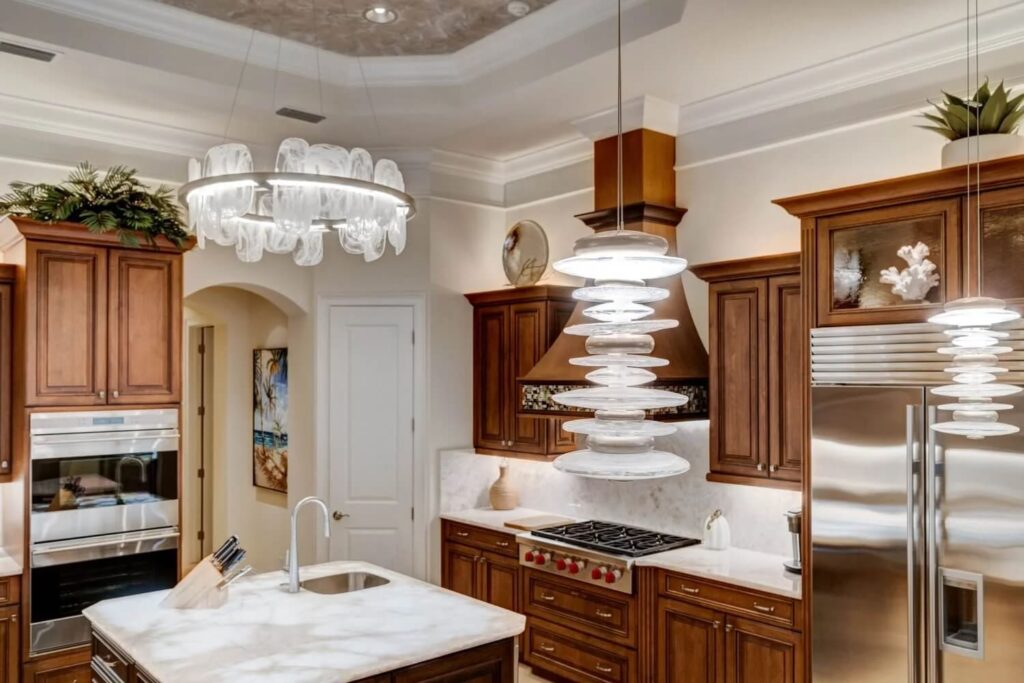
In some cases, the most straightforward approach is replacing an older incandescent, halogen, or fluorescent lamp with an LED alternative designed for the existing socket or fixture. It may be the least involved type of upgrade, but simplicity doesn’t automatically make it the right design choice. Lamp shape, light distribution, color quality, dimming behavior, fixture compatibility, and even the age and condition of the existing equipment all influence the final result.
And don’t forget the dimmer. Older dimming systems were often designed around incandescent or halogen loads and may not play nicely with modern LED electronics. The result can be flicker, pop-on, drop-out, limited dimming range, or lights that simply refuse to behave. Sometimes upgrading the light source also means upgrading the dimmer—or even portions of the control system—so the new technology can perform the way it was intended.
A simple swap can be smart. A thoughtless swap is just a newer bulb in an older problem.
Do you need to module up
This is often what people mean when they talk about retrofit recessed lighting. Rather than keeping the original lamp-and-trim arrangement, a retrofit module can replace multiple outdated components while continuing to use a suitable existing housing. In a recessed fixture, for example, that can mean removing the old bulb and trim and installing an integrated LED module with its own light source, optics, trim, and electronics.
The ceiling opening stays familiar, but what happens inside it gets a considerable upgrade. Better beam control, improved color rendering, more consistent dimming, updated technology, and a cleaner appearance can turn a tired opening in the ceiling into a far more capable lighting tool.
A fresh start for old fixtures
Sometimes the existing equipment simply isn’t the best canvas. A housing may be outdated, damaged, incompatible with the desired LED product, or unable to deliver the type of illumination we want. The technology may have reached the end of its rated life—or the lighting may simply no longer serve the purpose of the room.
When that happens, replacing more or all of the fixture makes better sense than forcing a retrofit where it doesn’t belong. Good lighting design includes knowing what to preserve, what to improve, and when to respectfully show the old fixture the door.
What really happens during an LED lighting retrofit?
A thoughtful retrofit starts well before anyone removes a trim ring. We look at how light moves through the room, what it lands on, what it misses, and where it quietly disappears. We also consider how the space is actually being used today—not merely how it was illuminated five, ten, or twenty years ago.
The goal is a fusion of the best of what lighting and design can bring to the space: improved functionality, contemporary technology, better quality of light, and a renewed visual experience that reshapes how architecture, finishes, furnishings, and people reveal themselves after dark.
Study the light that already shines
First, we look at the existing fixtures and the room around them. We want to know what type of lighting you have, how the fixtures are constructed, where they’re positioned, what controls them, how old they are, and how well the current layout supports the architecture and the activities taking place within it.
We’re also paying attention to the experience of the room. Are certain areas visually flat? Do finishes lose their richness at night? Are people struggling to see where they need useful light? Are recessed fixtures drawing attention to themselves rather than to the furnishings, art, surfaces, or people below?
A retrofit begins by diagnosing the lighting we have before prescribing the lighting we want.
Should it stay or should it go
Retrofitting doesn’t mean preserving something simply because we can. If an existing housing, opening, or fixture position still serves the design, keeping it can make tremendous sense. It can reduce disruption while allowing us to put resources where they produce a more meaningful improvement.
But if the old layout creates poor illumination, limits functionality, relies on obsolete technology, or clashes with the architecture, we need to address that instead of merely dressing it up with a newer light source. This is where lighting design separates itself from a one-for-one product swap. The objective isn’t merely newer. It’s better.
The new light enters the picture
Once we understand how to shed a new light on your space, we can choose products that suit both the fixture and the room. LED products differ in their light output, color temperature, color quality, beam distribution, dimming performance, trim design, adjustability, efficiency, longevity, and control compatibility.
We dig into those choices because every one of them contributes to the final composition. We’re thinking about how that light will shape the room, reveal materials, support the architecture, improve functionality, and work alongside every other source in the space.
A technically compatible fixture is only the starting point. The real question is whether it creates the right visual—and human—experience.
Out with the old & in with the new
For many recessed-lighting projects, the physical transformation can look surprisingly simple from below. Existing lamps and trims come out, the appropriate LED components go in, and the ceiling keeps its clean architectural lines. Behind that clean finish, however, compatibility matters. The housing, wiring, LED driver or electronics, controls, dimming protocol, and environmental ratings all need to play nicely together.
Dimming deserves particular attention. LEDs don’t necessarily speak the same electrical language as the incandescent and halogen sources they replace. Existing forward-phase, reverse-phase, 0–10V, or other control technologies need to be evaluated against the new LED source and driver. A retrofit that improves the light but leaves it attached to an incompatible dimming system can trade one old problem for several new ones.
After installation, we check the finished lighting in the space itself. Light doesn’t live on a specification sheet. It lands on stone, wood, artwork, cabinetry, fabric, faces, and architecture. It affects what we see, where we look, how easily we perform a task, and how we feel within the room.
That’s where we ultimately judge whether the retrofit is doing its job.
Already LED? That doesn’t always mean better light
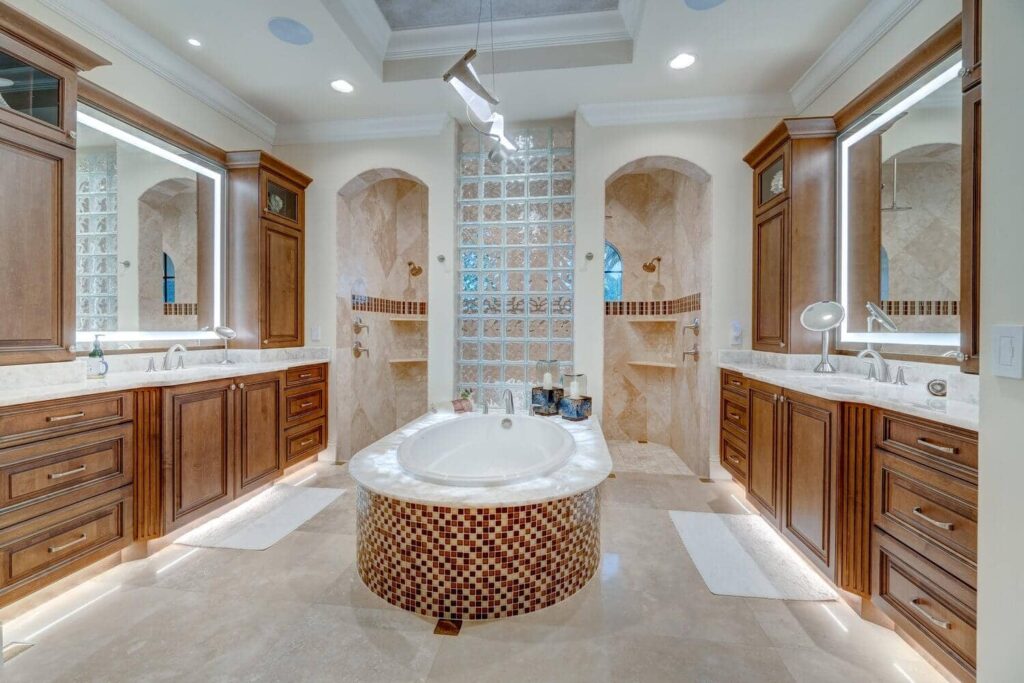
Incandescent and halogen recessed lights are obvious candidates, but LED lighting retrofits aren’t limited to homes filled with decades-old fixtures. (And thank goodness we’re well past any kind of appetite for compact fluorescent bulbs!) We also work with spaces that already have early-generation or lower-quality LED lighting.
LED technology has evolved considerably. An existing installation can still fall short in color quality, beam control, dimming, trim appearance, glare control, reliability, control compatibility, or overall visual comfort. Some first-generation LED products have simply reached the end of their rated life, while others were never particularly good lighting solutions to begin with.
The fixture may technically produce light, but that doesn’t mean the lighting is serving the room—or the people in it.
That’s why we prefer to think of retrofitting as a design opportunity rather than a simple technology change. We can preserve what still belongs, reconsider what doesn’t, replace what has reached the end of the road, and bring the quality and purpose of the lighting up to the level of the space around it.
Better lighting. Better purpose. Better experience. That’s a much more interesting goal than simply changing bulbs.
Who are the masters of sophisticated LED retrofit lighting in Naples, Fort Myers & the area?
Ready to give your lighting a second act? At Illuminated Lighting Design, we help property owners throughout Southwest Florida rethink existing fixtures with LED retrofits that honor the architecture by putting spaces under a refined spotlight. We look at homes and businesses with fresh eyes to decide what should stay, what deserves an upgrade, and how to fit modern LED solutions into the bigger visual story of your life.
If you’re wondering why upgrading to LED makes sense, what to consider before retrofitting your lighting, or how to layer your LED retrofits for added texture and style, one conversation with our team can open up an entirely different perspective. Reach out, and we’ll open up the possibilities and help you express your style. Let’s perk up your space!
Because a retrofit shouldn’t simply give you newer lighting. It should give you better light—with a better purpose—and ultimately, a better experience. Let’s shed some new light on what you already love.