
Understanding Color Temperature: How Warmth Changes a Room
The way a room feels often has less to do with the furniture you choose and more to do with the light that surrounds it. Subtle shifts in color temperature can make a space feel cozy and intimate, sleek and energizing, or balanced for everyday living. A lighting design firm that understands this nuance knows that lighting is about emotion, atmosphere, and how people truly experience a room. In this article, we’ll explore how the warmth or coolness of light can completely reshape the character of a space and elevate your interior design
What is lighting color temperature?
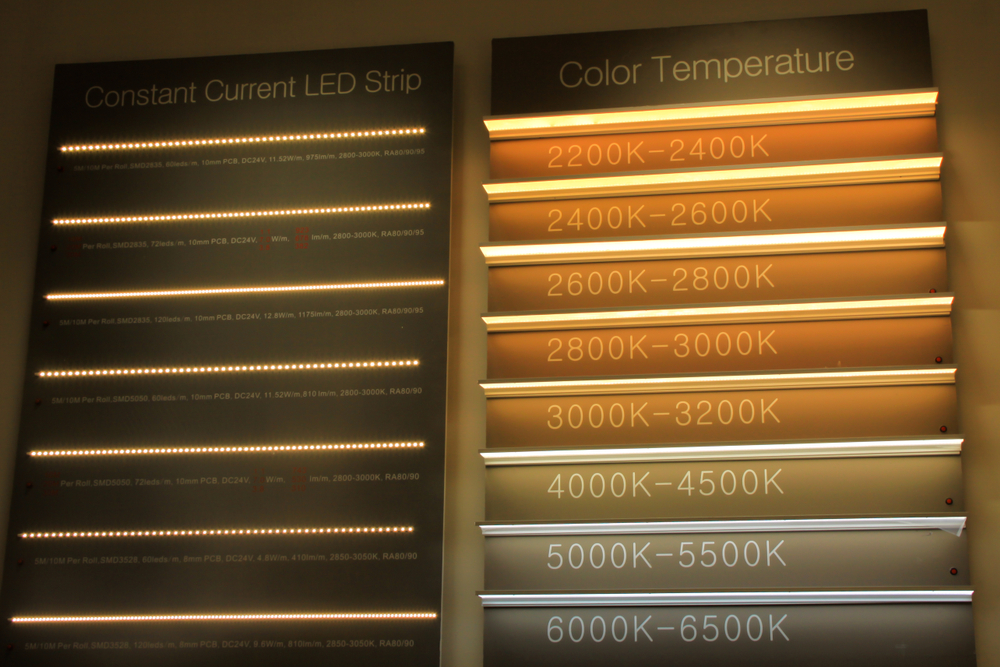
Color temperature describes the tone of light, and it’s measured in Kelvins (K). Instead of thinking about brightness alone, it’s about whether light feels warm and cozy, neutral and balanced, or cool and energizing.
Here’s how the scale works:
- 2700K–3000K (Warm White): Golden, candlelight-like tones. Creates comfort and intimacy.
- 3500K–4100K (Neutral White): Balanced light that works well in kitchens, bathrooms, and workspaces.
- 5000K–6500K (Cool Daylight): Crisp, blue-white light that mimics daylight, enhancing focus and detail.
Designers use this scale the way a painter uses a palette. Warm light enhances wood, fabrics, and natural materials, while cooler light emphasizes clarity and precision. Neutral tones often strike a balance, keeping a space versatile without leaning too far in one direction.
Once you start noticing it, color temperature becomes one of the most powerful elements of lighting design, making the same room feel completely different just by shifting a few hundred Kelvins.
How do I choose the right color temperature for my room?
The right color temperature is never a one-size-fits-all decision. It depends on the room’s purpose, the materials in play, and even how much natural light is present throughout the day. What works in one living room may feel completely wrong in another if the finishes, ceiling height, or window orientation change the way light is perceived. That’s why designers approach it as a tailored process rather than a fixed rule.
One of the most important factors alongside temperature is the Color Rendering Index (CRI). While Kelvin values tell you whether the light is warm or cool, CRI measures how accurately that light reveals the true colors of what it touches. A high-CRI source (90 or above) ensures that wood grains, textiles, and artwork look vibrant and true, rather than washed out or distorted. In a space with warm lighting, high CRI can prevent reds and oranges from appearing muddy; in cooler spaces, it preserves clarity without making skin tones look harsh.
Instead of assigning strict ranges, it’s better to think about intent and layering:
- Ambient lighting sets the overall tone of warmth or coolness in the room.
- Task lighting may shift slightly cooler for precision without clashing with the atmosphere.
- Accent lighting benefits most from high CRI to ensure art, stone, or finishes display as intended.
- Natural daylight changes constantly, so artificial lighting should be chosen to complement rather than compete with it.
A thoughtful design often blends these elements. For example, a dining room might use warmer ambient light to create intimacy but rely on high-CRI accent fixtures to keep the table setting vibrant. A kitchen could balance neutral overhead lighting with warmer under-cabinet strips that add depth and comfort. The result is a layered, adaptable space where color temperature feels intentional rather than rigid.
When you approach this way, color temperature becomes less about “choosing the right number” and more about curating an experience, one that respects both the emotional and the visual needs of the space.
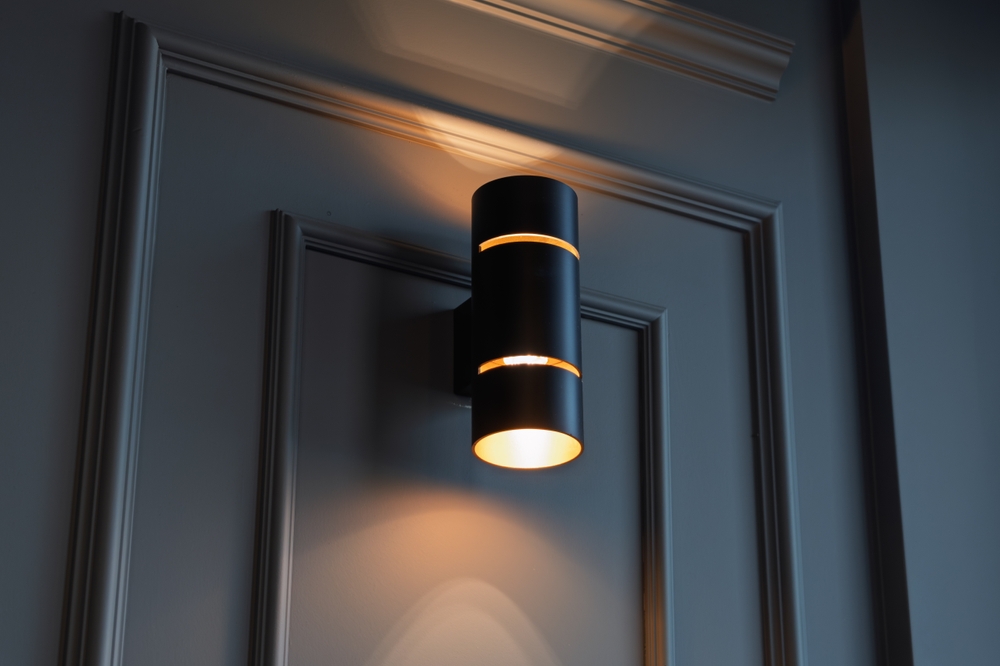
Wondering how color temperature can reshape your space? It’s our lighting design firm’s expertise.
The warmth or coolness of light is the foundation of how a room tells its story. Whether it’s designing fireplace lighting that complements natural glow or creating a home theater where every fixture supports immersion, thoughtful planning makes all the difference. Illuminated Lighting Design Services approaches each project with a developer or homeowner with an eye for both artistry and precision, ensuring that every space captures the right balance of mood, clarity, and comfort.