
Guide to Home Theater Lighting
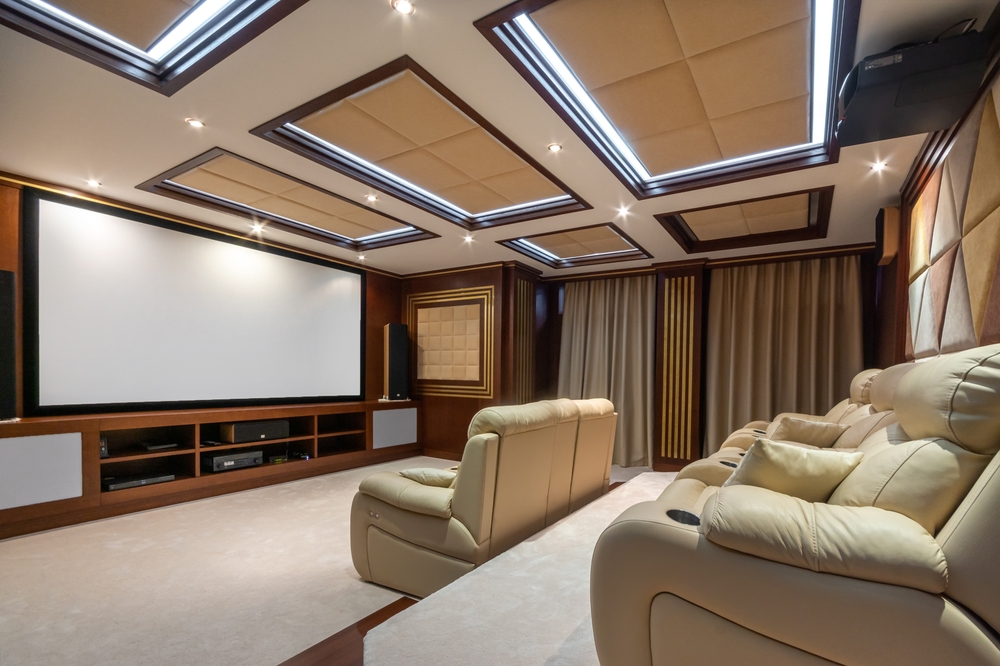
While screens and sound systems usually get the spotlight, the truth is that lighting makes or breaks the experience. A home theater should feel like stepping into another world where distractions disappear and every detail enhances the story on screen. Too often, homeowners focus only on audio and video features while overlooking the role of lighting, yet it’s this layer that defines the atmosphere. In this article, we’ll explore how expert lighting design services can transform your home theater into a cinematic space that feels both functional and unforgettable.
How do you light a home theater?
The biggest challenge in home theater design is balancing two opposing needs: you want enough light to move about comfortably, but not so much that it competes with the screen. Unlike a living room, where lighting often fills the entire space, a theater relies on indirect illumination that guides without distracting. There are three guiding principles at play:
- Keep light off the screen. Any direct fixture aimed toward the projection surface will wash out color and contrast. Directional lighting should always be aimed away from the screen or carefully shielded.
- Diffuse, don’t expose. Fixtures that cast a soft glow, like cove lighting or wall sconces that shine up and down, provide visibility without hotspots.
- Layer for control. Pathway lighting and accent details should all be dimmable and independently controlled, so the room adapts to movie viewing or casual gatherings.
One effective technique is by using an approach called bias lighting, a subtle halo of light behind the screen. This prevents eye strain but also enhances perceived contrast, allowing darker tones in the film to feel deeper and more defined. Step lighting is another key detail. When installed with concealed LEDs, pathways glow softly, keeping guests safe without impeding focus.
Ultimately, the goal of lighting a home theater is to create the right ambiance. When properly planned, the room remains comfortably navigable while the screen stays the star of the show.
What types of lighting are best in a home theater?
The most effective home theater lighting is a combination of elements that work together to create atmosphere and function. Each type of lighting plays a different role, and the art lies in blending them so the room feels cohesive without distracting from the screen. Some of the most effective options include:
- Wall sconces: Installed along the side walls or columns, sconces cast light up and down rather than outward. This creates depth and ambiance without introducing glare.
- Cove or perimeter lighting: Concealed LED strips along ceilings or architectural details produce a soft halo of light. They keep the room from being pitch-black while adding a cinematic glow. Adding color-changing products can enhance the visual ambience as well.
- Step and pathway lights: Essential for safety in theaters with risers, these low-level lights can be built into stairs or seating platforms. When dimmed, they add just enough illumination to guide movement.
- Bias lighting: Backlighting behind the screen reduces eye strain and enhances the overall viewing experience.
- Star ceilings or accent effects: Fiber optics or indirect LEDs add drama and personality, creating an immersive environment that feels both luxurious and custom.
Technology has pushed these options further with smart lighting systems. Homeowners can program different scenes like dimmed sconces for a movie or subtle accents for a casual game night. The ability to fine-tune intensity and color temperature ensures the room adapts to the moment.
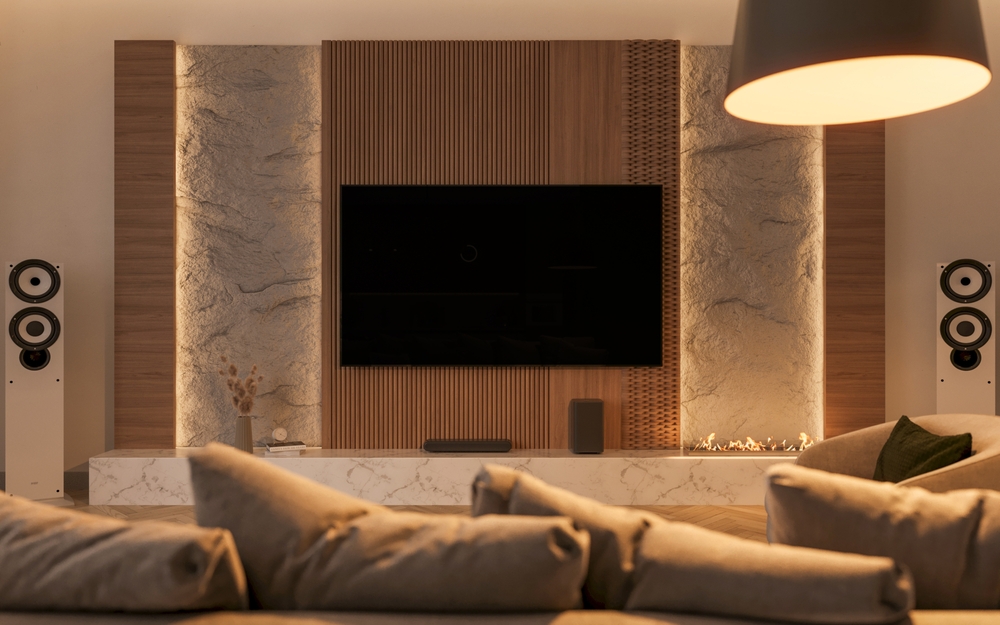
Ready to bring professional lighting design services to your home theater?
In order to create the perfect cinematic space, you need more than screens and speakers. It’s the lighting that makes the experience truly immersive. Illuminated Lighting Design Services crafts thoughtful solutions that transform a room into a theater. We also work closely with Interior Designers and Building Contractors, integrating custom solutions that add value and character to new projects. Whether it’s illumination that enhances specific architectural details or full-home concepts that elevate everyday living, our services deliver both artistry and precision to every space.