
How to Light Hallways with Purpose
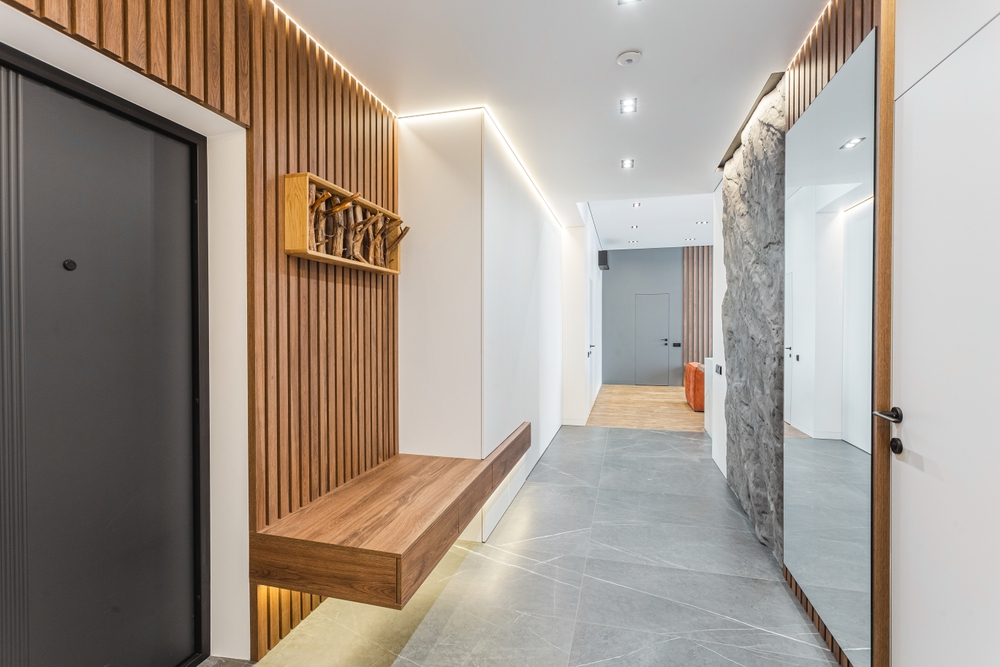
Hallways serve as passageways, but are too often overlooked in lighting plans, left with basic ceiling fixtures or flat lighting that adds little to the experience. But with a thoughtful approach, these transitional zones can become an opportunity to introduce a dynamic architectural element that elevates the entire home.
Professional linear lighting designers approach hallways with intention, using light to create rhythm, emphasize movement, and subtly guide the eye from one space to another. The goal is to shape perception and flow in hallways. Whether the space is narrow and enclosed or wide and gallery-like, the lighting has to do more than function. It has to be seamless, to belong.
What kind of lighting is best for hallways?
Before deciding where to place lights, it’s essential to know what kinds of lighting actually work best in a hallway and how they shape the space. Hallways tend to be narrower and longer than other rooms, with fewer natural light sources. That’s why proper spacing and layering, along with fixture selection, are all non-negotiables.
Layering Light Is Foundational
A single ceiling light in a long corridor does nothing but flatten the space. To breathe life into your hallway, you need rhythm. Recessed downlights spaced evenly can keep illumination consistent and avoid dark patches. Wall sconces at eye level offer a human scale, guiding movement and softening the edges of the space. And when you add architectural touches like LED strips along the floor or ceiling coves? Suddenly, the hallway becomes part of the design story.
Choose Fixtures That Complement Scale and Height
The hallway’s dimensions should guide your fixture choices. For low ceilings, recessed lighting or low-profile flush mounts are ideal. Taller ceilings can accommodate pendants or semi-flush fixtures, but make sure they don’t obstruct sightlines or feel bulky. If the hallway connects to formal living areas, consider decorative ceiling lights or slimline chandeliers that echo the design tone of nearby rooms.
Consider Color Temperature and Beam Angle
Cooler temperatures (around 3000K–3500K) work well for task-focused passageways, but if your hallway includes art or decorative elements, warmer tones (2700K–3000K) offer a more inviting glow.
Beam angles also matter. A wider beam helps distribute light evenly, while narrower beams can be used to spotlight art or architectural features.
Planning the Right Number of Lights
There’s no magic number, but there is a method. Recessed lighting spaced every 4 to 6 feet generally offers seamless coverage, but output, ceiling height, and layout all factor in. Sconces should be placed with symmetry in mind, typically every 6 to 8 feet and around 60 inches from the floor. The result should feel balanced, not busy.
Where to put lights in a hallway?
Placement of lighting determines whether your hallway feels connected or overlooked. Even the most beautifully chosen fixture still fails if it casts awkward shadows or leaves the far end of the hallway dim and cold. Precision is the difference between basic and intentional design.
Start With a Clean Ceiling Plan
Recessed lights spaced evenly along the length of the hallway create a foundation, but spacing is key. Too far apart, and you’ll get dark gaps; too close, and the ceiling becomes a landing strip. As we’ve already mentioned, a good rule of thumb is one fixture every 4 to 6 feet, adjusted for ceiling height and lumen output.
Let the Walls Do More
Wall-mounted sconces bring height, rhythm, and personality, but their placement must serve both form and function. Mounted around 60 inches from the floor (or eye level), they can break up long stretches of blank wall and reduce ceiling reliance. In narrow hallways, low-profile sconces or vertical strip lighting recessed into the wall offer elegance without bulk. Think beyond decoration – this is architectural lighting at work.
Use Lighting to Guide Movement
Hallways are about movement, so your lighting should subtly direct flow. Cove lighting or linear LEDs placed along the ceiling edge or floor baseboards can pull you through the space. Consider low-output night lighting for evening transitions or floor-level strips that activate on motion, offering just enough illumination to feel safe without waking up the entire house.
Highlight What Matters
If your hallway has art or architectural features, layer your placement accordingly. Adjustable recessed lights or surface-mounted picture lights let you create spotlight moments without glare. Remember, every beam has a job, so don’t flood the hallway. Focus your light, and let the shadows fall naturally.
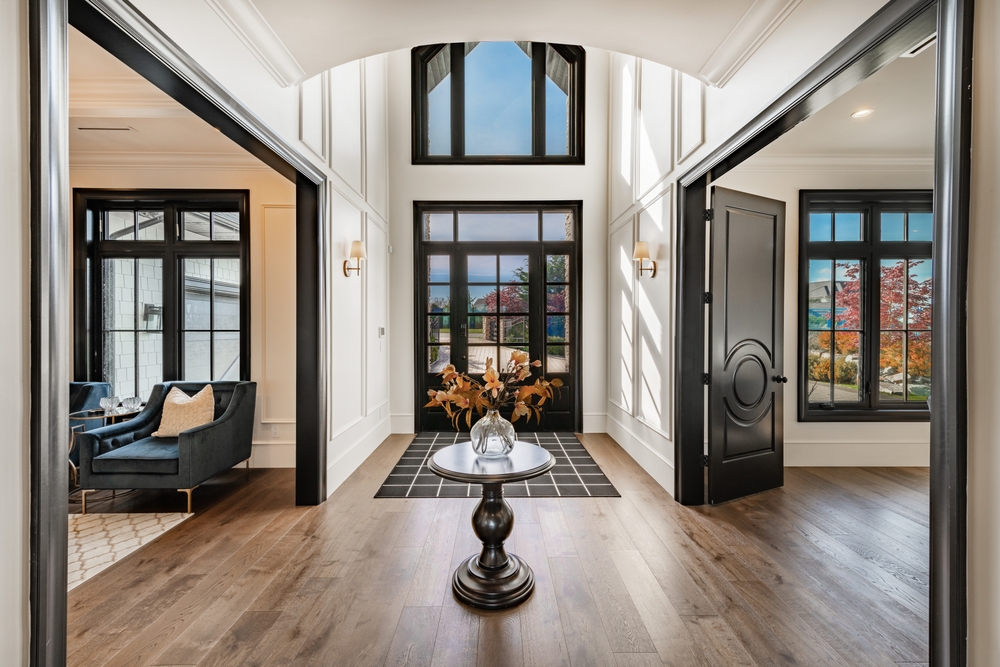
Looking for linear lighting designers who understand architectural nuance? We tailor every fixture.
Lighting is a design language. At Illuminated Lighting Design, we partner with homeowners to translate architecture, lifestyle, and emotion into layered solutions that elevate every space. From bedroom lighting design that encourages rest to hallways that feel sculptural instead of sterile, we help clients discover the quiet power of illumination. Every project we design in Southwest Florida, or anywhere you need us, is a study in contrast and flow, crafted to feel intentional from the moment you walk in.