
What Your Contractor Wishes You Knew About Lighting Timelines
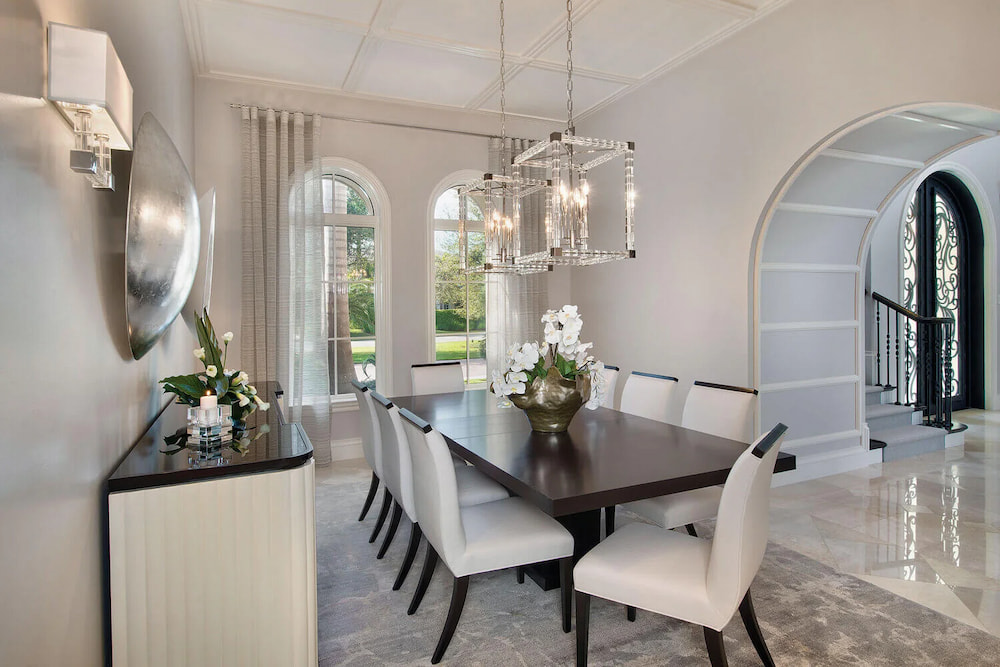
Lighting has a quiet way of shaping the character of a luxury home, but that effortless glow depends on decisions made well before fixtures are installed. For high-end real-estate players and upscale homeowners building or renovating in Florida, custom lighting is most successful when it is planned early and carefully coordinated with the home’s architecture, mechanical, plumbing, technology, wiring, millwork, cabinetry, ceilings, and outdoor living areas.
The best residential lighting design companies know that illumination tools (light fixtures) affect and are affected by framing, plumbing, mechanical, fire suppression, structural, millwork, materials, and final finishes. When those decisions are delayed, the project can become more complicated, delayed, costly, or limited in design flexibility. Understanding the timeline does not make the process any less complicated. However, it does make the finished results of the home smoother, more efficient, and more beautifully resolved.
Why should lighting design enter the conversation early?
One of the biggest timing mistakes homeowners make is waiting until the end of a project to think about lighting. In a well-designed home, lighting is about timing, placement, atmosphere, and coordination.
Recessed fixtures need ceiling space. Cove lighting may require architectural buildouts. Under-cabinet lighting should be coordinated with cabinetry. Low-voltage drivers need a discrete location to hide that still allows for adequate ventilation. Hardscape lighting may involve conduit, low-voltage planning, and concrete pour sleeves or back boxes.
Early lighting planning makes the design feel integrated into the architecture rather than layered on after the home is nearly complete. This is especially important in luxury residences, where ceiling details, millwork, stone features, artwork, and outdoor living areas all influence how the lighting should be placed.
When these decisions happen early, the contractor, electrician, designer, and lighting specialist can coordinate before walls close, cabinetry is installed, or exterior surfaces are finished. Waiting too long does not make custom lighting impossible, but it can reduce options and add unnecessary labor.
What role does fixture selection play in the timeline?
Many homeowners think lighting begins with choosing chandeliers, pendants, sconces, or landscape fixtures. Those choices matter, but they are only part of the process.
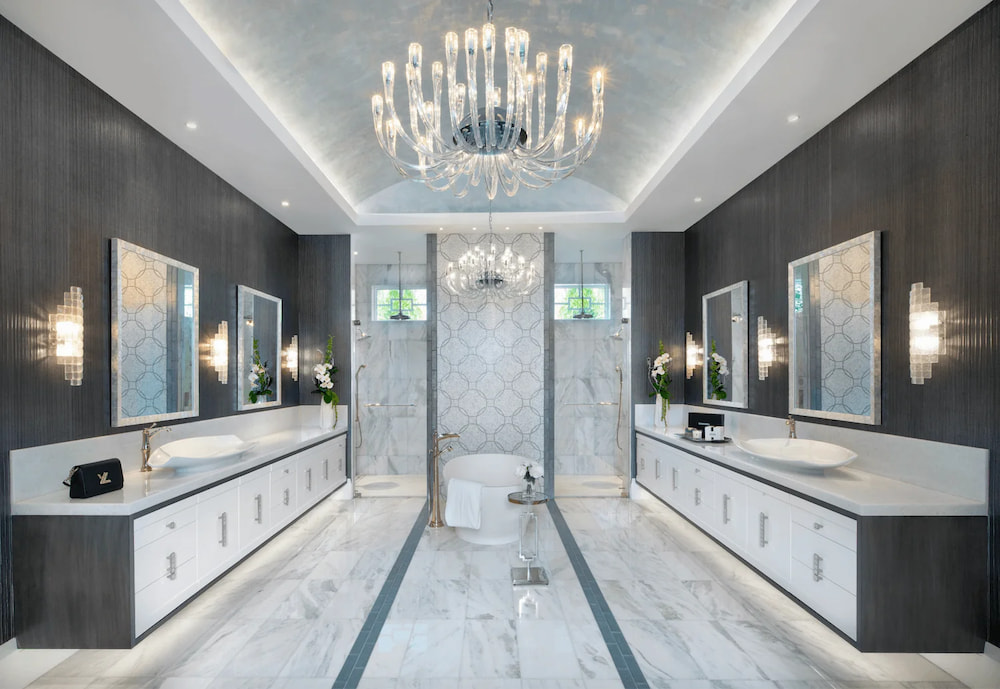
A custom timeline also includes layout planning, wiring needs, dimming zones, switch locations, color temperature, beam spread, lighting control systems, and fixture compatibility. These details affect how the lighting performs and how easily it can be installed.
Additionally, higher-end architectural recessed downlights are often built to order and can take up to 8 weeks to assemble and deliver. A successful lighting plan depends on the right light in the right location, with the right intensity, tone, and control. It takes careful forethought and planning to execute this flawlessly.
The timeline should also account for how the homeowner wants to live in each space. A kitchen may need brighter scenes for preparation and softer lighting for evening entertaining. A dining room may call for more intimate illumination. A lanai, pool deck, or outdoor kitchen may need lighting that feels relaxed, elegant, and comfortable after sunset.
These are not last-minute details. They shape the finished look, function, and mood of the home. Engaging a professional early who has this experience and expertise can save a lot of headaches, frustration, and time down the line.
How can product lead times shape the schedule?
Upscale residential lighting often includes specialty fixtures, premium finishes, architectural lighting systems, or custom pieces. Some products are readily available, while others may require longer lead times.
Contractors prefer early decisions because fixture specifications can affect installation. Dimensions, mounting requirements, trims, transformers, drivers, and control compatibility all matter. Even if rough wiring can begin, final installation may depend on having the right product information in place.
Without these decisions, the contractor may take matters into their own hands and make a lighting selection that, though easy to purchase and install, actually compromises the overall quality and experience of the home for years to come. Lights may turn on, but they may flicker, not dim well, and often deliver more glare than useful light.
Why do different lighting elements happen in different project phases?
Lighting installation is rarely one single step. It often happens in phases throughout the project.
Rough wiring, recessed lighting layouts, switch locations, and control infrastructure usually need attention before walls and ceilings are finished. Cove lighting and other architectural effects may need coordination during framing or ceiling work. Under-cabinet lighting depends on cabinetry. Decorative fixtures usually come near the finish stage.
Outdoor lighting has its own rhythm, especially in Florida homes where lanais, pool decks, gardens, pathways, docks, and waterfront exteriors are part of daily living. These elements may need to be coordinated with irrigation, planting, hardscaping, pool areas, and exterior construction.
How do final adjustments complete the design?
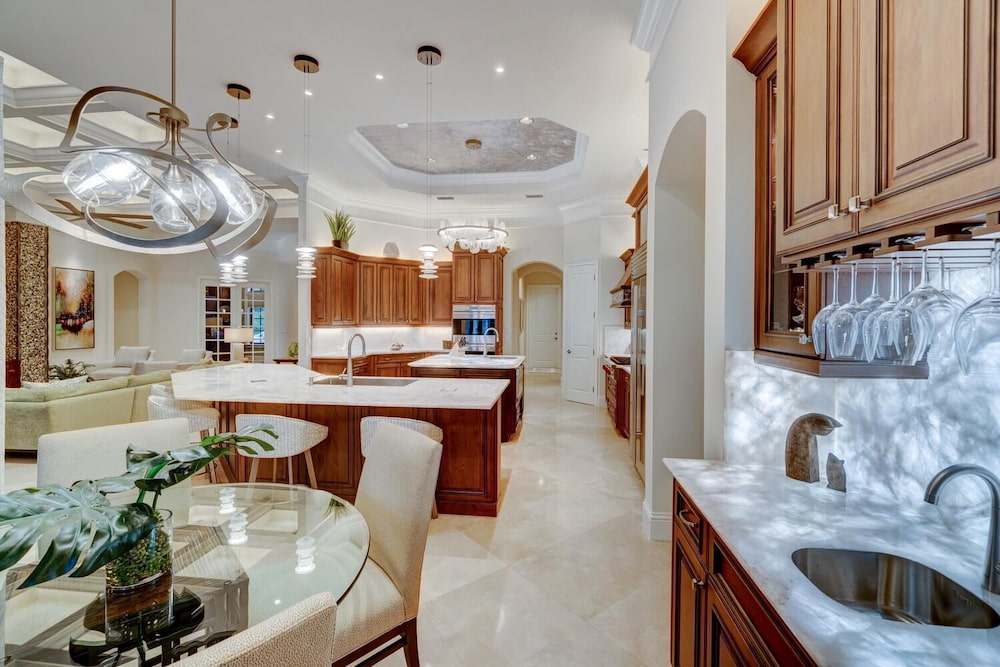
Even after fixtures are installed, custom lighting still needs refinement. Final adjustments may include aiming accent lights, setting dimmer levels, programming scenes, softening glare, and checking how each room feels after dark.
This step is especially important in high-end homes. A great room may need separate scenes for entertaining and quiet evenings. Outdoor lighting may need to highlight the landscape without overpowering it. Bedroom and kitchen lighting may need small adjustments for comfort and precision.
Small adjustments can make a major difference, especially when accent lighting, dimming, and glare control affect the final mood of a space. The goal is for the lighting to feel effortless, even though the placement, programming, and balance have all been carefully considered.
Who is the leading name among lighting design companies in Florida?
If you want the lighting in your gorgeous home in Southwest Florida to feel seamless with the architecture, harmonized with your daily needs and rhythm, and look luxurious without being flashy, you should turn to Illuminated Lighting Design Services. Our thoughtful approach protects the design, supports the construction schedule, and allows each room, outdoor space, and architectural feature to be illuminated with purpose.
We’ll work alongside contractors and design teams to take care of every little detail with the technical coordination and refined eye for beauty that your home deserves. If you’re ready to shape your home’s atmosphere with clarity and class, we would be honored to guide the process. Call us today!